


































From picking out what you’ll wear to coming up with questions to get to know the brokerage better, preparing for a real estate interview is a lot like preparing for a first date. You need to make sure you vibe together. Whether you’re a new real estate agent or have been in the industry for years and are considering a switch, I’m giving you everything you need to be prepared, including some interview questions to get you started.
- Step 1: Create Your Real Estate Resume
- Step 2: Research the Real Estate Brokerage
- Step 3: Determine the Questions You Plan to Ask the Brokerage
- Step 4: Prepare for Potential Real Estate Interview Questions to Answer
- Step 5: Dress for Success
- Step 6: Engage in Post-interview Follow-up Practices
- Frequently Asked Questions (FAQs)
- Bringing It All Together
Step 1: Create Your Real Estate Resume
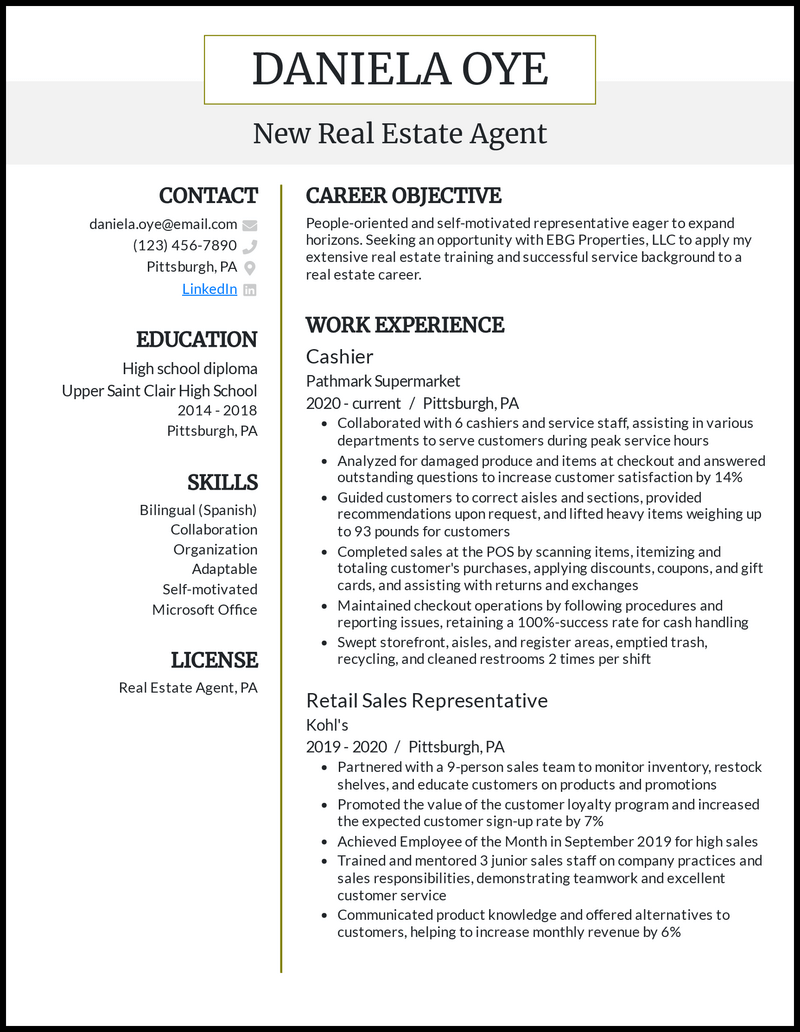
The first crucial tip in our real estate interview guide is to create a well-written real estate resume before any interviews. A strong resume is the best way to showcase your professionalism and expertise and leave a positive impression on real estate brokers. Printing multiple copies of your resume to bring to interviews is always a good idea, especially if you’re interviewing with multiple individuals.
Your resume should include the following:
- Name and contact information: Your name and contact information should stand out on your resume layout so it’s easy to stand out from multiple applicants.
- Job history and experience with sales, marketing, and lead generation: Highlight the most relevant elements of your past employment, like sales, marketing, technology, and communicating with clients.
- Accomplishments and awards: Use hard numbers and data to describe your accomplishments so the reader can easily understand the scope of your achievements.
- Education: Indicate where you received any college or professional degrees and leadership positions you held. Showcasing your education is important in displaying your background to a potential broker.
- Skills: These will bring attention to the specific qualities you bring to a new role.
- Certifications: Your credentials prove your authority in real estate. Include continuing education, professional development, and other relevant certifications in digital marketing, public speaking, or finance.
Resume Templates
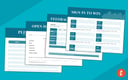
These resume templates, offered by our experts at The Close, are designed with simplicity, clarity, and organization in mind.
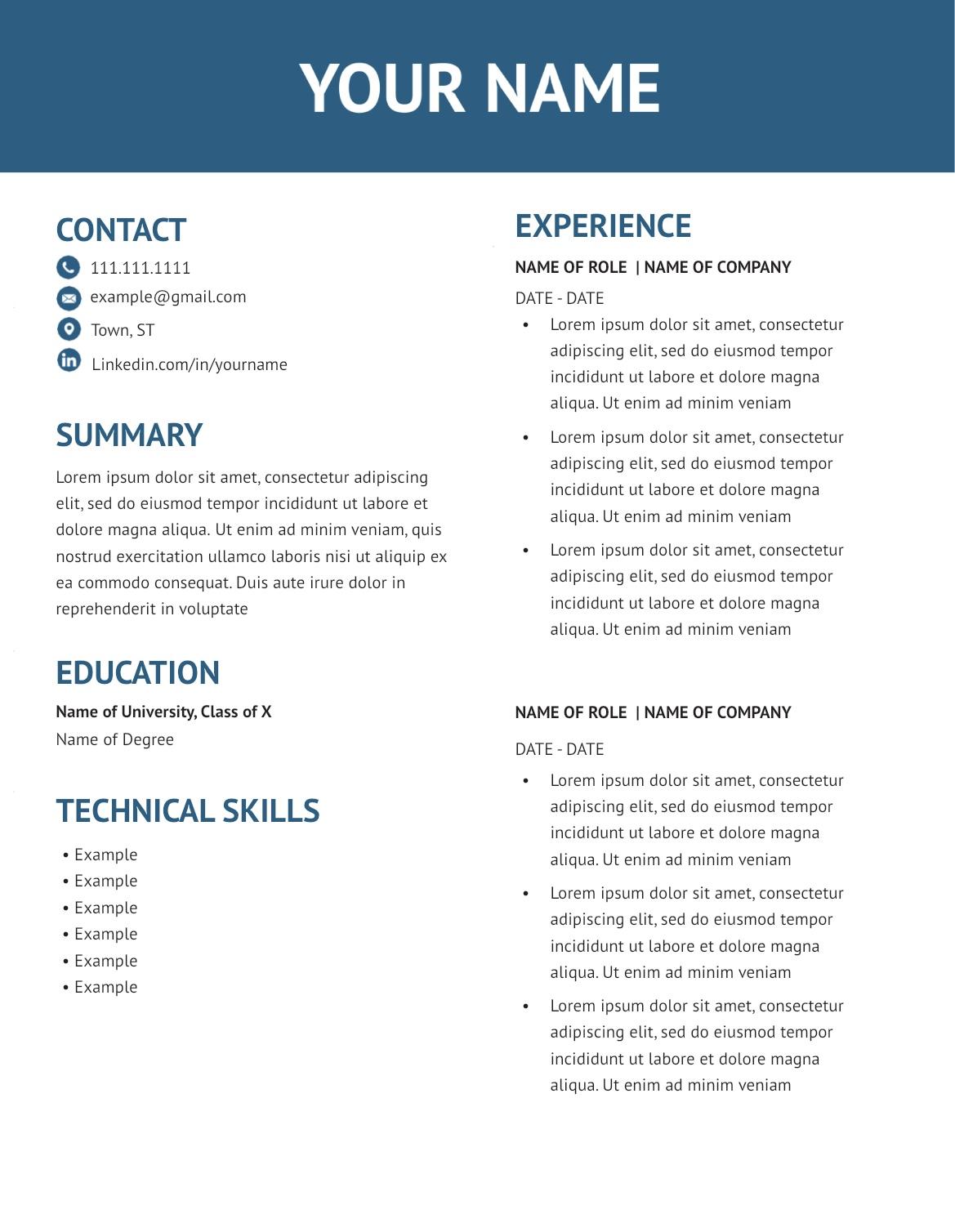
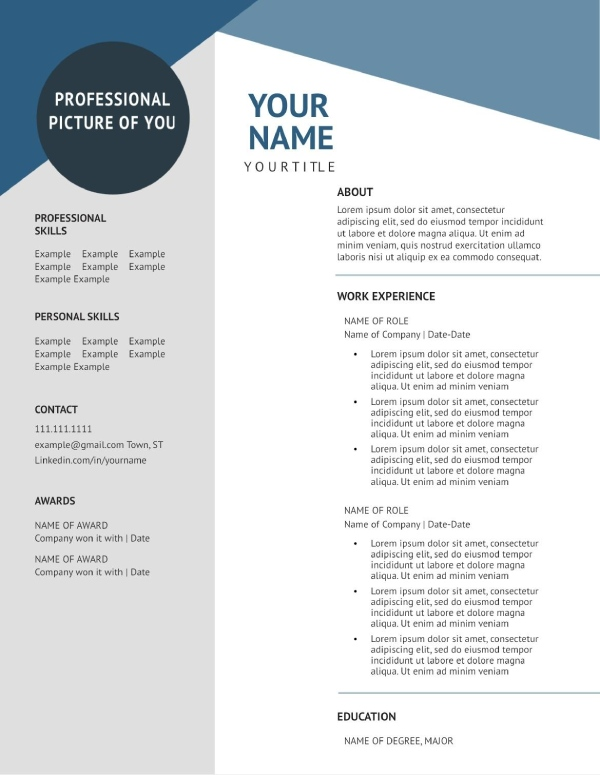
To guide you on how to prepare for a real estate job interview, here are some extra tips for your resume:
-
 Tip 1:
Choose a scannable resume layout: Use bullet points, spaces between lines or sections, text styles (bold, italics, and underlines) to highlight sections or headings, large font for titles and headings, graphic elements to separate sections, and bold colors to draw attention to items you’d like to showcase.
Tip 1:
Choose a scannable resume layout: Use bullet points, spaces between lines or sections, text styles (bold, italics, and underlines) to highlight sections or headings, large font for titles and headings, graphic elements to separate sections, and bold colors to draw attention to items you’d like to showcase.
-
Tip 2:
Start with a summary: A great summary should only be a few sentences long and provide context about your background and what’s unique and valuable about you. Call it a “career summary,” “real estate profile,” or leave it without a label.
-
Tip 3:
Use proper grammar and proofread your resume: Multiple grammar mistakes or typos can make you look unprofessional. Use spell check, Grammarly, or hire a professional proofreader or resume reviewer to look it over.
-
Tip 4:
Optimize your resume: Since brokers, clients, and partners will generally value different things, consider creating multiple versions of your resume to have on hand for every need. For example, potential listing clients will be more interested in your ability to sell properties for the best value, while brokers may want to know about your work ethic and certifications.
-
Tip 5:
Use tools to help create your resume: Creating a professional-looking resume can be a daunting task. Luckily, many tools and platforms are available to help you craft the perfect resume, such as Canva. Canva is an incredible design tool for real estate agents at every level, including those without design experience. You can choose from various resume template options and simply add your information to the design—it’s that easy!
Step 2: Research the Real Estate Brokerage
Your main aim during the interview is to figure out if the real estate brokerage is a good fit for your needs and business goals. Before the interview, research everything you can about the company, considering its brand, reputation, and agent benefits.
Assess how each brokerage caters to their agents’ unique needs and experience levels, such as providing training and mentorship for new agents or marketing and lead generation tools for seasoned agents. This research will aid in evaluating and formulating the right questions to ask in a real estate interview.
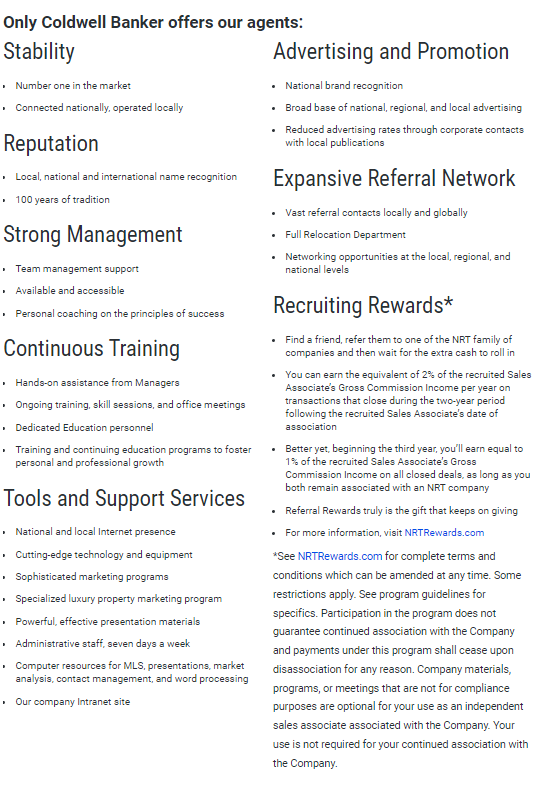
For instance, if you find the company active on Facebook or Instagram, ask about its social media, real estate branding, and lead generation strategies and successes. This can shed light on the company’s organization, systems, and potential learning opportunities for you.
Some companies provide a wealth of online information, such as customer reviews, agent profiles, and active social media pages. They may even share commission details for new agents. On the other hand, some companies offer limited online insights. That’s not a reason to discount them entirely. Instead, take the time to carefully interview the company to better understand the advantages and disadvantages of working with them.
Step 3: Determine the Questions You Plan to Ask the Brokerage
As you research each real estate brokerage, you’ll naturally think of some questions for your real estate interview. Write down any specific thoughts, questions, or concerns you develop during your research so you can discuss those openly with the broker.
A few questions I recommend asking during your realtor interview include the following:
- How many agents at this brokerage work part-time and full-time?
- What is the average income of your agents?
- Does your brokerage host social gatherings?
- What are the brokerage’s short and long-term goals?
- What kind of training and mentorship opportunities are offered?
- What kind of software or technology is provided?
- What is the commission split structure?
Step 4: Prepare for Potential Real Estate Interview Questions to Answer
With careful preparation for common interview questions in real estate, you’ll be able to show that you really understand the industry. Being knowledgeable about real estate terms, staying updated on the current market, and understanding the entire transaction process can really show a brokerage how valuable you are.
Some common real estate job interview questions may include the following:
Question 1
❓Why did you become (or are becoming) a real estate agent?❓
Answer from a new agent: I decided to become a real estate agent because I’ve always been fascinated by helping people find their dream homes and being part of such an important life decision. I enjoy working with others and believe that real estate is a field where I can use my interpersonal skills to make a positive impact on clients’ lives. Additionally, the potential for a flexible schedule and the opportunity to continuously learn about the market were appealing factors for me.
Answer from an experienced agent: I have always had a passion for real estate and assisting people in finding their dream homes. I find it fulfilling to sell properties and assist buyers in locating the perfect place that they can call home.
Question 2
❓What are your sales goals?❓
Answer from a new agent: As a newly licensed real estate agent, my primary goal is to establish myself in the industry and build a solid foundation. In the short term, I aim to complete at least three successful transactions within my first six months to gain valuable experience and build a client base. My focus will be on providing exceptional service and gaining referrals from satisfied clients.
Over the long term, I aspire to increase my sales volume and grow my business gradually. While I don’t have specific monetary figures at this early stage, I’m committed to continuous improvement and will set more concrete goals as I gain experience and a better understanding of the market.
Answer from an experienced agent: I aim to become your company’s top sales agent. In my previous brokerage, I successfully earned a gross commission income of [insert amount] over the last year, and I completed [insert number] transactions. I’m confident that I can increase my sales volume and accomplish this goal by applying the same dedication and expertise I’ve honed over my career.
Question 3
❓What makes you stand out from other agents?❓
Answer from a new agent: As a newly licensed real estate agent, I recognize that I may not have the extensive experience of some other agents. However, I believe there are several qualities and approaches that set me apart. I have a fresh perspective, a strong willingness to adapt and learn, excellent communication skills, and local market knowledge. Additionally, I am tech-savvy and energetic, which helps me stay on top of the latest trends and developments in the industry.
Answer from an experienced agent: As a real estate agent, I consider my exceptional communication skills, comprehensive understanding of the market, and keen attention to detail my unique selling points. With extensive experience in this field, I am always willing to go above and beyond to ensure my clients’ satisfaction.
Question 4
❓How do you generate leads?❓
Answer from a new agent: As a newly licensed agent, I plan to employ various strategies to build my client base. This includes networking, growing an online presence, conducting open houses, collaborating with experienced agents, cold calling, referrals from family and friends, and attending real estate events or seminars.
Answer from an experienced agent: I use a well-rounded approach to lead generation. I tap into my existing network for referrals. I maintain an active online presence through social media and my website. I also create valuable content and participate in local networking events. In addition, I engage in direct marketing campaigns and build partnerships with local businesses. Online advertising and open houses are part of my strategy, too. I keep an organized client database and invest in ongoing education to stay up-to-date. My approach is proactive, adaptable, and focused on providing excellent service to potential clients.
Question 5
❓How do you plan to use online platforms for your business?❓
Answer from a new agent: As a newly licensed agent, I plan to leverage the popularity of social media for marketing and digital advertising, as well as, to connect with potential clients. I also plan to create a professional website and use reputable listing websites.
Answer from an experienced agent: I market my properties and attract potential buyers through various channels such as Facebook, Instagram, and my personal website. Once I upload a new listing, I send text messages to my active home seekers. I also make sure to follow up promptly using my chosen message apps. My homes are staged and photographed by a top-notch videographer and photographer who produces virtual tours. One of my homes was sold within a week of listing and was shared 120 times on Instagram. I keep a tab on my website traffic and modify listing descriptions that are not performing well compared with others.
Question 6
❓How do you market your listings?❓
Answer from a new agent: As a newly licensed real estate agent, I’ll employ various marketing strategies to effectively promote my listings and attract potential buyers. I plan to market my listings through high-quality photography and videography, virtual tours, online listings, social media promotion, and open houses.
Answer from an experienced agent: I use various strategies to market listings, including social media, personal and third-party websites, print media, and through open houses.
Question 7
❓How do you handle difficult clients?❓
Answer from a new agent: I plan to handle difficult clients by actively listening, empathizing with their situation, and staying calm and professional. I will make an effort to clarify what the client expects from me and ensure we’re on the same page. Then, I will work with the client to identify potential solutions. When difficulties persist, I will involve a mentor or a more experienced colleague within the brokerage to help facilitate a resolution. Ultimately, my approach to handling difficult clients will be to maintain professionalism, open communication, and a willingness to find solutions while keeping the best interests of my clients in mind.
Answer from an experienced agent: When handling difficult clients, my approach is to maintain a professional, calm, and empathetic demeanor. I actively listen to their concerns and try to identify the optimal solution that satisfies everyone’s requirements. Furthermore, I ensure that I am transparent and provide all the information required to make an informed decision.
Question 8
❓How do you stay organized during a real estate transaction?❓
Answer from a new agent: As a newly licensed real estate agent, I plan to implement the following strategies to maintain organization: using a customer relationship management (CRM) system, checklists, file management, calendar reminders, and other apps or software that help streamline transactions.
Answer from an experienced agent: I have a well-established system to follow to stay organized during a transaction. First, I create a transaction checklist outlining all the essential steps and deadlines—ensuring no crucial details are overlooked. I also use CRM systems and project management apps to keep all transaction-related documents, emails, and notes in one place, making it easy to access information quickly. Lastly, I set up reminders and alerts for important deadlines and appointments, allowing me to stay on top of important dates.
Question 9
❓How do you make a home more sellable?❓
Answer from a new agent or experienced agent: To make a home more sellable, I will ensure it is well-maintained, staged well for open houses and viewings, priced competitively, and advertised through multiple channels.
Question 10
❓What do you think are the three most important qualities of a successful real estate agent?❓
Answer from a new agent: I believe the real estate industry demands a combination of various qualities, but the three most important qualities for a successful real estate agent are strong communication skills, exceptional customer service, and market knowledge and adaptability.
Answer from an experienced agent: The three most important qualities of a successful real estate agent are, first, effective communication skills. An agent should be able to actively listen to their clients, understand their needs, and provide information clearly and promptly. This helps build trust and ensures clients are well-informed throughout the process. Secondly, adaptability. The real estate market is constantly evolving, and agents must be flexible and open to new strategies. They should be able to adapt to changing market conditions and emerging technologies to stay ahead of the competition. Lastly, I am a good negotiator. Successful agents excel in negotiation, securing the best deals for their clients in buying or selling transactions while ensuring all parties involved are satisfied with the outcome.
If you work with a real estate client niche like commercial real estate or 65-plus communities, you should also prepare for some more specific questions. For example, commercial real estate agent interview questions might focus more on your professional network, past deals, and your understanding of business finances.
Step 5: Dress for Success
Dressing to impress is necessary in any interview, including your real estate agent interviews. Opt for formal business attire like a stylish button-up shirt, tie, jacket, dress pants, or dress skirt. When deciding what to wear, remember to reflect the brokerage’s brand while also meeting the professional standards of the real estate industry.
If you want to get an idea of the expected dress code, a good strategy is to look at the brokerage’s website at agent headshots or their social media pages. This can give you an idea of whether the company has a more laid-back dress code, where wearing jeans and a nice shirt is okay. If you’re unsure, it’s always a good idea to wear more formal attire.


Examples of professional business attire (Source: Pinterest/Pinterest)

Step 6: Engage in Post-interview Follow-up Practices
Following up after an interview is super important. It shows how excited and professional you are, it helps hiring managers remember you and can significantly enhance your chances of landing your dream job in real estate. Below are some suggestions:
- Send a personalized thank-you note: Don’t forget to send a personalized thank-you note to each interviewer right after the interview. Make sure to mention specific details from the interview to show your interest and attentiveness. It’s a great way to leave a positive impression!
- Showcase your value through follow-up communications: Use your follow-up communications to emphasize how your skills and experiences match the company’s needs. If you talk about any challenges the company is facing during the interview, also consider sharing more information or ideas on how you can help tackle these challenges. This will show your proactive approach and problem-solving skills.
- Leverage social media professionally: Make sure to connect with the company and the interviewers on social networks like LinkedIn. This will help you stay on their radar and demonstrate your interest in becoming a part of their professional community. Just remember to keep your social media profiles professional and reflective of your qualifications in real estate.
- Ask strategic questions: If you haven’t heard back in a while, it’s totally okay to send an email to express your continued interest in the position and to ask for an update. Include some strategic questions about the role or the company’s future directions.
Other Next Steps
- Prepare for different outcomes: While you hope for positive news, be mentally prepared for any response. If not selected, use this as a learning opportunity and ask for feedback on areas for improvement.
- Continue networking: Regardless of the outcome, maintain the relationships you’ve built during the interview process. The real estate industry is tightly knit, and a strong network can open doors to future opportunities.
- Reflect and refine: Use the experience to refine your interview techniques and follow-up strategies. Consider how you can improve the questions to ask at a real estate agent interview or how you present your value proposition to potential employers in future interviews.
Frequently Asked Questions (FAQs)
How do you answer, “Why do you want to work in real estate?”
When discussing why you want to work in real estate, it’s also important to know how to prepare to be a real estate agent. Being truthful and passionate is an essential interview tip for real estate jobs. Your answer may be straightforward, such as desiring the ability to spend more time with your loved ones. It may not be practical to disclose that you wish to work fewer hours, but expressing the desire for independence may be better and more easily understood.
Should I bring my resume to a real estate interview?
Yes, you should bring your resume to a real estate interview. Even if you have already submitted it online, bringing a physical copy shows you are prepared and professional. It also allows you to reference specific details during the interview and highlight your qualifications and experiences.
How do I sell myself in a real estate interview?
To sell yourself in a real estate interview, it’s important to highlight your relevant skills and experience. Emphasize your communication and negotiation skills, market knowledge, customer service, adaptability, and problem-solving abilities. Additionally, showcase your enthusiasm for the job and the industry, and be prepared to ask insightful questions that demonstrate your interest and strategic thinking.
Bringing It All Together
If you’re looking to make it big in real estate, finding the right real estate brokerage to work for and learning how to ace real estate job interviews is important. By preparing in advance, you’ll feel confident during the interview and be able to clearly express yourself. Being well-prepared for a real estate job interview is key to launching and thriving in a rewarding real estate career.
Have a great interview tip? Let’s hear it below!