





































Independent landlords are no strangers to pressure, but 2026 has brought a different kind of squeeze. Rising taxes, higher insurance premiums, maintenance costs, and general inflation are making it harder to protect margins without putting tenant relationships at risk.
If you’re feeling that pressure, you are not alone. Data from Avail’s 2026 Independent Landlord Survey shows that independent landlords are navigating higher ownership costs, tougher rent decisions, and growing pressure to retain reliable tenants. But the data also shows something important: independent landlords are not just reacting to inflation by raising rents at every opportunity. Many are taking a more strategic approach, prioritizing tenant retention, better communication, and smarter property management to protect long-term returns.
In a year when inflation and real estate are closely linked, modern independent landlords are proving that the best real estate investment strategies are not always about making more changes. Sometimes, they are about managing better.
Why you can trust The Close
As a real estate agent, I have worked with and advised investors and landlords, so I understand how quickly rising costs can change the math on a rental property. Taxes, insurance, maintenance, vacancy risk, and tenant turnover all affect whether a property performs the way an investor expected.
For this article, I reviewed data from Avail’s 2026 Independent Landlord Survey to better understand how small landlords are responding to inflation, cost increases, rent pressure, and tenant retention challenges. The goal is to turn that data into practical takeaways independent landlords can use to protect cash flow, keep reliable tenants, and manage their rentals with more confidence.
Sophia Doyle
Staff Writer-The Close
- What Avail’s 2026 landlord data shows
- The margin squeeze is real
- Why stability is becoming a smarter landlord strategy
- The most profitable tenant may be the one you already have
- Digital tools are becoming part of the modern landlord playbook
- Pricing still matters, even if you aren’t raising rent every year
- What this means for independent landlords
- How independent landlords can beat inflation in 2026
- Frequently asked questions (FAQs)
- The 2026 landlord playbook is about control
What Avail’s 2026 landlord data shows
Avail’s 2026 Independent Landlord Survey paints a clear picture of the pressure small landlords are under, but it also shows how many are adapting.
The cost side is hard to ignore. According to Avail, 74.4% of landlords saw property ownership costs, including taxes and insurance, increase this year. For independent landlords, that can mean tighter margins and harder decisions around rent, maintenance, reserves, and long-term portfolio planning.
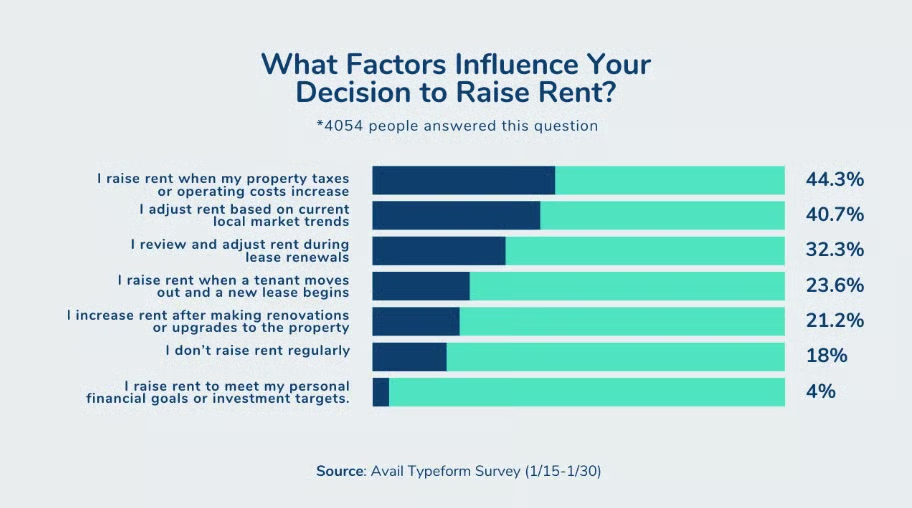
At the same time, not every landlord is responding with automatic rent hikes. Avail’s survey found that 18% of landlords have a strict “no regular rent increase” policy, choosing instead to prioritize stability and tenant retention. The data also show that landlords reporting longer tenant stays outnumber those reporting shorter stays by nearly five-to-one, which makes retaining reliable renters even more valuable.
The survey also points to a more collaborative approach to tenant challenges. When payment issues arise, 78.3% of landlords choose communication and payment plans over legal action. For many small landlords, that is not just a compassionate decision. It can be a practical business strategy that helps preserve cash flow, reduce turnover, and avoid the cost and stress of formal disputes.
The margin squeeze is real
For independent landlords, inflation shows up in several places at once. Property taxes rise. Insurance premiums climb. Repair costs get more expensive. Utilities, vendor fees, materials, and labor all become harder to predict.
That creates a difficult balancing act. Landlords still need to cover their expenses and maintain profitable rentals, but they also have to be careful not to push strong tenants out with constant rent increases.

That is especially true for smaller landlords, where one vacancy can have an outsized impact. A month without rent, turnover repairs, cleaning, marketing, showings, and tenant screening can quickly erase the benefit of a rent increase.
In other words, higher rent does not always mean higher profit. If a rent hike causes a reliable tenant to leave, the landlord may end up losing more than they gained.
Why stability is becoming a smarter landlord strategy
In an inflationary environment, it can be tempting to treat rent increases as automatic. But many independent landlords are weighing the cost of turnover against the value of a reliable tenant.
If a tenant pays on time, communicates well, takes care of the property, and plans to stay, keeping that tenant may be more profitable than raising the monthly rent. Longer tenancy can create more predictable income, fewer vacancy periods, lower turnover costs, and less administrative stress.
That does not mean landlords should ignore market rent or underprice their properties. It means rent decisions should be made carefully, using data, local market context, and tenant history, not just a blanket annual increase.
The most profitable tenant may be the one you already have
For small landlords, tenant retention is one of the most underrated real estate investment strategies. A good tenant creates value in ways that do not always show up immediately on a spreadsheet. They reduce vacancy risk. They lower marketing and leasing costs. They help protect the property’s condition. They make monthly income more predictable. And they can reduce the time landlords spend dealing with late payments, complaints, and turnover.

That is why collaborative communication is becoming more important. Legal action can be expensive, time-consuming, and stressful. In many cases, working with a tenant to create a clear, documented payment plan may help landlords recover rent while preserving the relationship.
The key is organization. Payment plans, messages, rent records, and tenant conversations need to be documented clearly. Otherwise, what starts as a flexible solution can become confusing quickly.
Digital tools are becoming part of the modern landlord playbook
Independent landlords are still relationship-driven, but that doesn’t have to mean disorganized. In 2026, digital tools are helping landlords manage tenants more professionally while keeping communication simple.
That matters when tenant retention is part of the strategy. Clear communication, automated reminders, and organized rent payment records can make the landlord-tenant relationship feel more consistent and less reactive.
Automated rent collection can also reduce awkward payment follow-ups. Tenants can pay online, landlords can track payments, and both sides have a clearer record of what has been paid and when. For landlords trying to keep long-term tenants, that kind of consistency can make a difference.
Pricing still matters, even if you aren’t raising rent every year
Choosing not to raise rent regularly does not mean ignoring the market. In fact, one of the smartest things landlords can do in an inflationary market is understand where their rental pricing stands before making a decision.
Avail’s Rent Analysis Report can help landlords evaluate local rent trends, comparable properties, and neighborhood-level pricing data. That information can be useful whether you are setting rent for a new listing, renewing a lease, or deciding whether a modest increase is justified.

The goal is not always to charge the highest possible rent. The goal is to price the property in a way that supports cash flow, reflects the market, and reduces unnecessary vacancy risk.
For independent landlords, that balance is where strategy comes in. A well-priced rental can attract quality tenants, support longer lease terms, and protect income without creating unnecessary turnover.
What this means for independent landlords
Avail’s data points to a clear shift in how independent landlords are managing inflation. The pressure is real, but the response does not have to be reactive.
For landlords, the takeaway is simple: protect your margins, but do not overlook the value of stability. A reliable long-term tenant, a documented payment plan, clear communication, and accurate rent pricing can all support profitability without creating unnecessary turnover.
That is especially important for independent investors who do not have large teams or institutional resources. The right systems can make a small portfolio easier to manage and help landlords make decisions with more confidence.
How independent landlords can beat inflation in 2026
Beating inflation as a landlord does not always mean passing every new cost directly to the tenant. The better strategy is to manage the full picture.
- Know your numbers: Track taxes, insurance, maintenance, utilities, mortgage costs, and other property expenses, so you know exactly how inflation is affecting your portfolio.
- Use market data before changing rent: Compare your current rent to local comps to inform your renewal decision. A rent increase should be based on data, not panic.
- Protect strong tenant relationship: If you have a reliable tenant, consider the full cost of losing them before raising rent aggressively.
- Document communication: Keep tenant conversations, payment plans, maintenance updates, and rent records organized.
- Automate what you can: Online rent collection, payment reminders, and digital messaging can reduce friction and save time.
- Think long term: The most successful independent landlords are not just trying to win one lease renewal. They are trying to build stable, profitable portfolios that can withstand a changing economy.
Frequently asked questions (FAQs)
How does inflation affect real estate investors?
Inflation can affect real estate investors by increasing the cost of owning and operating rental properties. Expenses like insurance, property taxes, maintenance repairs, utilities, and vendor services may rise, which can put pressure on cash flow. For independent landlords, the challenge is finding ways to protect margins without creating unnecessary vacancy or tenant turnover.
Should landlords raise rent every year?
Not always. While landlords should understand current market rent and property expenses, an automatic annual increase is not always the most profitable move. If a tenant is reliable, pays on time, communicates well, and takes care of the property, keeping that tenant may be more valuable than pushing for the highest possible rent.
How can landlords reduce tenant turnover?
Landlords can reduce tenant turnover by communicating clearly, responding quickly to maintenance issues, setting fair rent levels, offering convenient rent payment options, and treating good tenants as long-term assets. Organized communication and consistent expectations can help make the rental relationship smoother for both sides.
How can digital tools help independent landlords?
Digital tools can help landlords manage rent collection, tenant communication, payment records, maintenance updates, applications, screening, and pricing decisions in one place. This can reduce administrative work and make it easier to stay organized, especially for landlords managing properties without a large team.
The 2026 landlord playbook is about control
Inflation may be raising the cost of owning rental property, but independent landlords still have levers they can control. They can control how they communicate. They can control how they price. They can control how organized their systems are. And they can control whether they treat tenant retention as part of their investment strategy.
The landlords who are adapting best in 2026 are not necessarily the ones raising rent the fastest. They are the ones using better data, stronger systems, and more thoughtful communication to keep good tenants and protect long-term cash flow.
That is the new independent landlord playbook: manage smarter, price with confidence, and treat stability as a strategy.
You may also like..