




































A real estate newsletter remains one of the simplest and most cost-effective ways to educate, engage, and stay top of mind with your audience. However, with so many real estate trends popping up left and right, you may be wondering how to decide what content to include in your newsletter. Well, you’re in the right place! In this article, I’ll break down engaging real estate newsletter ideas, explain why they’re essential, and share tools and resources to create and send them. Let’s get started!
Why real estate newsletters are important
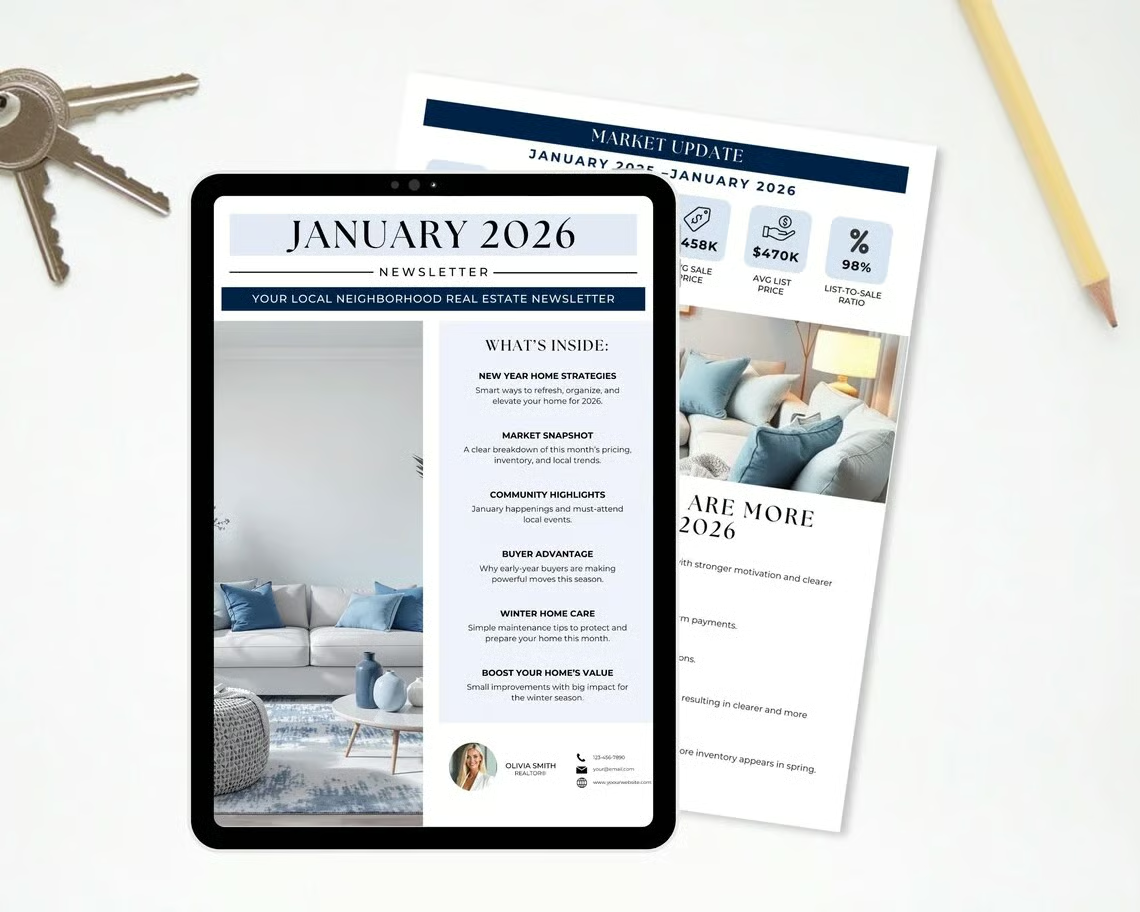
Real estate newsletters are a powerful tool for informing your audience and maintaining brand recall. Here’s why real estate agent newsletters are essential for every agent and brokerage:
 Newsletters foster consistency: If you regularly send a real estate agent newsletter, your audience will start to anticipate and rely on your updates, which will build trust and loyalty.
- Newsletters establish your brand as a reliable source: Whether it’s market updates or expert advice, your newsletter proves your audience can count on you for valuable insights.
- Newsletters are versatile: Their flexibility lets you experiment with different formats, tones, and topics to engage your audience.
- Newsletters drive sales: Strategically placing calls to action, such as open house invitations and buyer consultations, can convince your leads to take the next step.
Engaging real estate newsletter ideas
The first goal of your newsletter should be to keep your audience engaged. Here are some engaging and informative real estate agent newsletter ideas you can follow.
1. Your latest property listings
Just listed a home? Feature the property — or a sneak peek — in your real estate newsletter to build interest and momentum for the listing. Showcasing new listings not only attracts buyers looking to stay informed on what’s currently on the market, but also positions you as a proactive, top-performing agent. Future sellers will notice how effectively you market your listings, keeping you top of mind when they’re ready to sell.
2. Local business spotlight
Everyone loves to hear about a hot new restaurant or shop opening in the neighborhood. Highlighting local businesses in your real estate newsletter shows off your area knowledge and gives you an excuse to meet and network with local business owners. Share an interview with the owner or an interesting fact about that local business to make it more engaging. A great perk is including a coupon or promo code for a local business, which drives foot traffic while also reinforcing your role in the community. Who doesn’t love a discount?
3. Green real estate trends
Discuss eco-friendly and sustainable home upgrades that buyers will actually pay more for: energy-efficient windows, solar panels, electric car chargers, etc. Share stories about the homes you’ve sold with these features or what upgrades buyers have mentioned are on their ‘must-have’ list when it comes to their new home. Want more newsletter ideas? Include a “sustainable tip of the month” to keep your readers engaged and on the lookout for your next email newsletter.
4. Quarterly market wrap-up
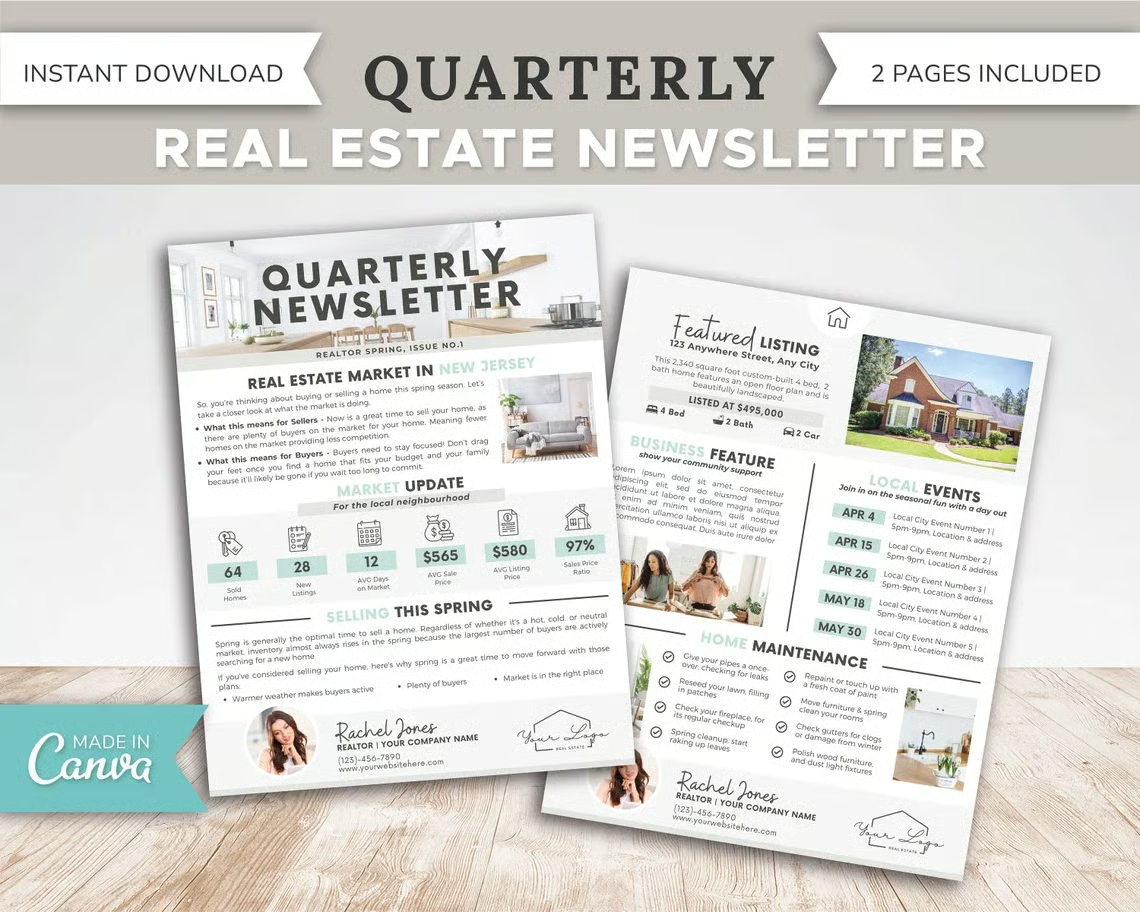
How your local market performed over the last quarter is crucial data for your newsletter. It might not tell your audience where the market is headed, but it will tell them exactly how it performed, which is just as important. Study your area’s multiple listing system (MLS) and sign up for your local realtor association’s market updates so you’re among the first to get the numbers.
5. Educate on mistakes
Tired of seeing your clients make the same mistakes? A “Don’t Make These Mistakes” section helps buyers and sellers avoid costly missteps before they happen. For example, sellers who price too high see longer days on the market and price reductions, while buyers who skip preapproval risk losing homes they love. Including practical warnings positions you as a trusted advisor who helps your audience save time, money, and stress.
6. Highlight local events
Farmers market, carnival, or parade coming up? Tell your readers about it. Including a calendar of upcoming events in your area is a great way to engage with the community and also showcase an area that buyers may want to move to. In addition, people also love to see highlights from events that already happened. If you don’t have photos, ask your friends or head to social media for fun pictures from recent events.
7. Artificial intelligence (AI) and tech tools
Position yourself as a modern agent using technology and artificial intelligence (AI) to sell homes faster and smarter. Highlight tools you actively use. For instance, showcase a home you listed using virtual reality (VR) staging to attract buyers or share how an AI assistant, like CINC’s, helps you communicate with your clients effectively. Sharing examples reinforces your expertise and signals that you’re ahead of the curve.
8. Popular home styles that sell

Share architectural or interior design trends that are currently resonating with buyers. Your audience may want to emulate these styles, so include visuals like mood boards or staged house photos. Highlight how these styles can increase their home’s appeal or resale value.
9. Interview with a mortgage broker
If you have many potential first-time buyers on your subscriber list, an interview with a mortgage broker is a great way to educate them and hopefully give you fewer questions to answer if they eventually become leads. This also helps build a working relationship with the lender, who may be more inclined to refer clients your way thanks to the added visibility. A great way to engage readers is to film the interview, include clips in the electronic newsletter, and post them on social media.
10. Real estate memes
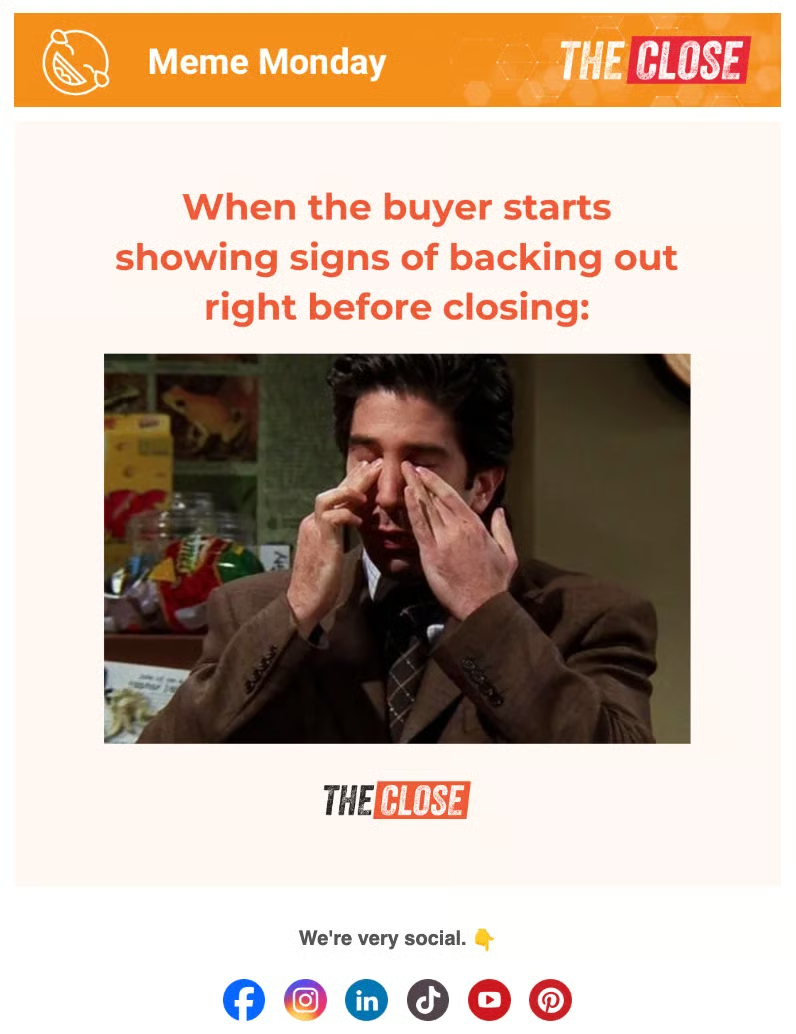
Lighten things up with real estate memes that poke fun at everyday situations. You can include a meme at the bottom of every newsletter or try out specialty “Meme Monday” editions. Remember to be mindful of your jokes — ensure the memes align with your brand and don’t offend your audience.
11. Define real estate jargon
Appraisal, escrow, contingency. These are common real estate terms, but can easily be misunderstood by clients. Giving easy-to-digest definitions creates more educated leads while reinforcing your position as a successful real estate agent who helps clients navigate transactions smoothly and with confidence.
12. Inspection red flags
Home inspections can reveal issues that may impact a sale or a buyer or seller’s expenses. Highlighting common red flags, such as foundation cracks, roof damage, older electrical systems, or water damage, helps buyers understand what to watch out for. They also guide sellers in identifying what they need to fix before hitting the market. Sharing this knowledge gives your newsletter readers actionable information that truly matters.
13. Bust common buying & selling myths
“Spring is the only time to sell.” “You need 20% down to buy a home.” These are myths I commonly hear from my clients, and you most likely hear from yours, which you can bust through your newsletter. Calling out home-buying and homeselling myths is a fun way to educate your audience and create stronger buyers and sellers. You can even make it feel like a game. Give three statements, two facts, and a myth, and see if your readers can distinguish, and then educate them on the myth.
14. Interview with a real estate lawyer
Lawyers have a wealth of knowledge that your audience will want to know. Get a local real estate attorney to break down complicated housing questions like navigating transactions and avoiding common mistakes. Keep the tone casual and friendly, as legal conversations can be dry and complex. As with the lender interview, it would be a great addition to film the questioning and include clips in the electronic newsletter, and post them on social media.
15. Budget interior design tips
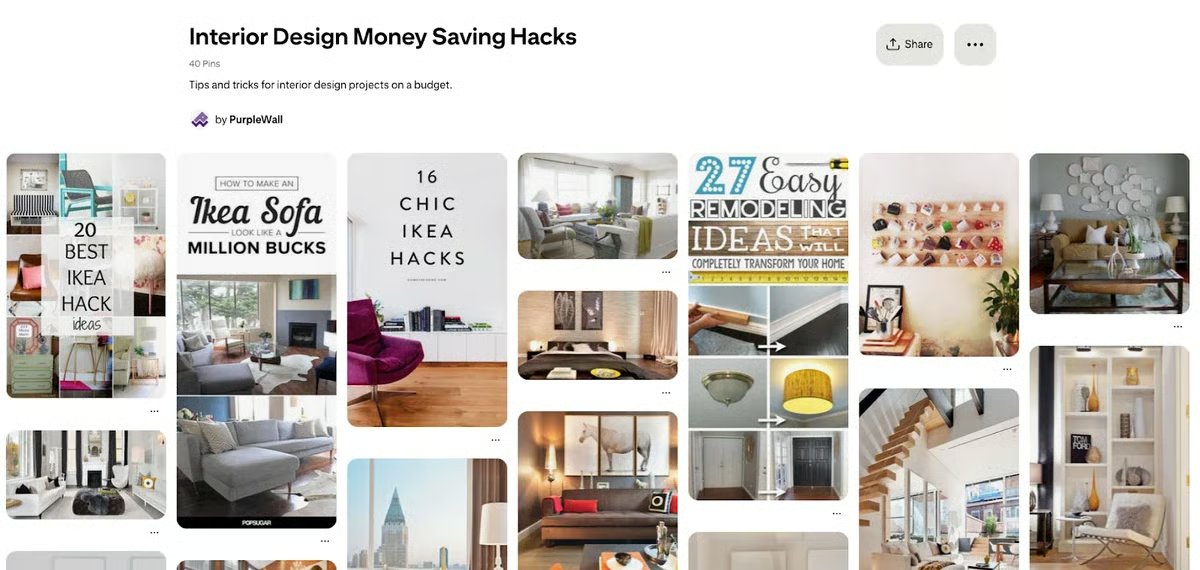
Everyone wants a beautiful home like the ones they see on HGTV, but few know how to design one — especially on a budget. Curate this kind of content from sites like Pinterest and link out to it from your newsletter. Highlight simple design hacks paired with proven strategies to prepare a home for sale.
16. Real estate fun facts
Did you know that the largest privately owned residence in the US is in Asheville, North Carolina? Including fun facts like this is an excellent way to engage your audience. Like memes, you don’t want to overdo it. Include a fact at the bottom of every newsletter or have a special edition for the facts; you can call it “Fun Fact Friday.”
17. Highlight your just-sold listings
Your track record as a realtor is the main reason people hire you, so highlighting listings you recently sold is a great way to show it off. Bonus points for including some impressive details about the sale (e.g., sold $80k over asking or an all-cash offer). Remember, you’re subtly promoting yourself, so don’t go overboard. Do you primarily work with buyers? Then highlight the sales of your recently closed buyers.
18. Real estate investment content
Just because your client purchased their dream home doesn’t mean their property-buying days are over. Offer advice on investing in real estate and become the one they call when it comes to future purchases. Share tips on calculating return on investment, managing rental properties, and screening tenants.
19. Seasonal homebuyer advice
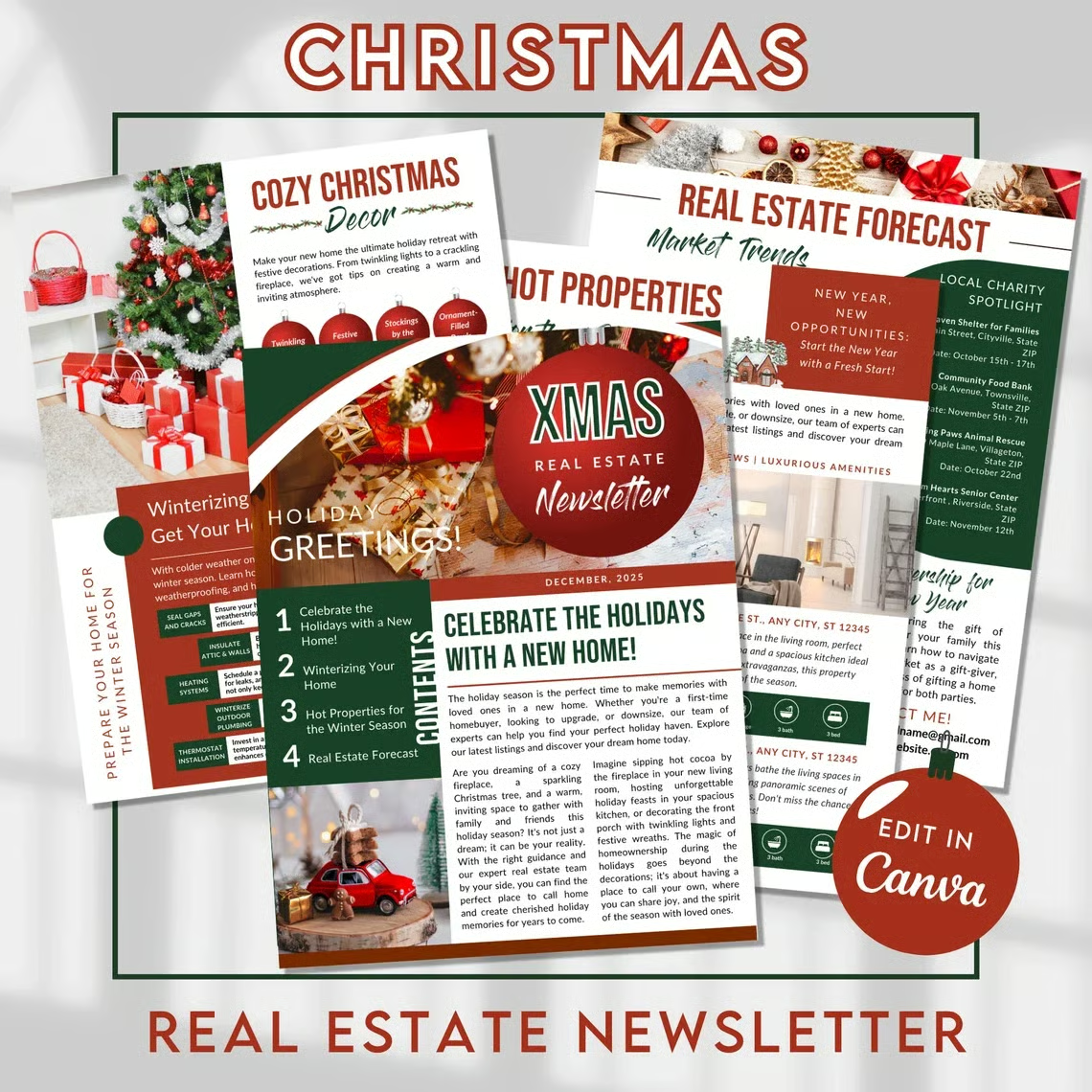
If you are not sending out seasonal newsletters, you are missing out! Offer advice to your former (and future!) clients on maintaining their homes. Some easy wins include spring cleaning, winterizing, gutter cleaning in the fall, power washing the pollen off during allergy season, and Christmas decorating.
20. Testimonials from your previous clients
A good review goes a long way. Ask a happy former client to provide you with a testimonial. You could even do a brief interview, asking what went well in the process and how you served them in obtaining their real estate goals. To make it more impactful, include a photo or make it a video testimonial.
Tools to create your real estate newsletter
Fortunately, you don’t have to do your newsletter from scratch. There are many tools and resources online for all your newsletter needs. These tools offer marketing ideas, free and paid graphics, real estate newsletter templates, a direct mail program, and email marketing software.
| Tool | Best For | Starting Monthly Price | Learn More |
|---|---|---|---|
 | Real estate marketing templates and additional content ideas | $74 for a solo agent | Visit Coffee & Contracts |
 | Email marketing software | Free plan; Essentials plan starts at $13 | Visit Mailchimp |
 | Direct mail program with customizable designs and mailing lists | $2.92 | Visit ProspectsPLUS! |
 | DIY graphics; free and paid templates | Free; Subscription starts at $10-$15 (according to monthly or yearly plan) | Visit Canva |
Frequently Asked Questions (FAQS)
How to create a great real estate newsletter?
Begin by knowing who your audience is and what they’re looking for. Next, pick newsletter templates that reflect your style and personalize them with insights and tailored recommendations. Keep it simple, concise, helpful, and engaging.
Should my real estate newsletter be digital or printed?
Both formats work. Email newsletters are fast and affordable, while printed newsletters can stand out in local mailboxes; many agents use a combination of both. Which formatting you use is a personal choice based on your budget, goals, and clientele.
How often should you send out a newsletter?
The key to a successful newsletter is consistency, but quantity should not degrade the quality. If you have just started to send newsletters, create an obtainable schedule you can stick to, for example, once a month. As you progress in sending your newsletters, decide how often you will have enough timely and pertinent content to fill a newsletter, whether that be weekly or every other week.
Bringing it all together
Do you have any real estate newsletter ideas that yield high open rates and client engagement? Let us know in the comments!
Related Articles