






































Hosting an open house is a balancing act. You’re trying to keep various conversations going, gauge interest in the property, and make sure everyone who leaves has a positive feeling about the home. Sometimes you’ll need icebreakers for neighbors, while other times you need to keep a serious buyer engaged. I’ve found that when it comes to locking in clients at open houses, the right words can make all the difference. Below are 16 open house scripts for every situation, from greeting curious visitors to addressing tricky questions. Let’s dive in so you can turn more conversations into closings!
- Greeting visitors
- Engaging potential buyers
- Dealing with casual lookers
- Reaching out after an open house
- Addressing common questions or concerns
- Turning neighbors into sellers or referral sources
- Open house visitor information collection tools
- How to follow up after an open house
- Frequently asked questions (FAQs)
- Bringing It All Together
Greeting visitors
First impressions are vital in setting the mood of the entire open house experience. A warm and inviting open house script makes your guests feel welcome. By establishing rapport right up front, visitors will be much more inclined to interact with you and not feel hesitant to ask questions. This initial greeting doesn’t have to be overly complicated; you could just give some quick hellos and offer them open house food once they arrive.
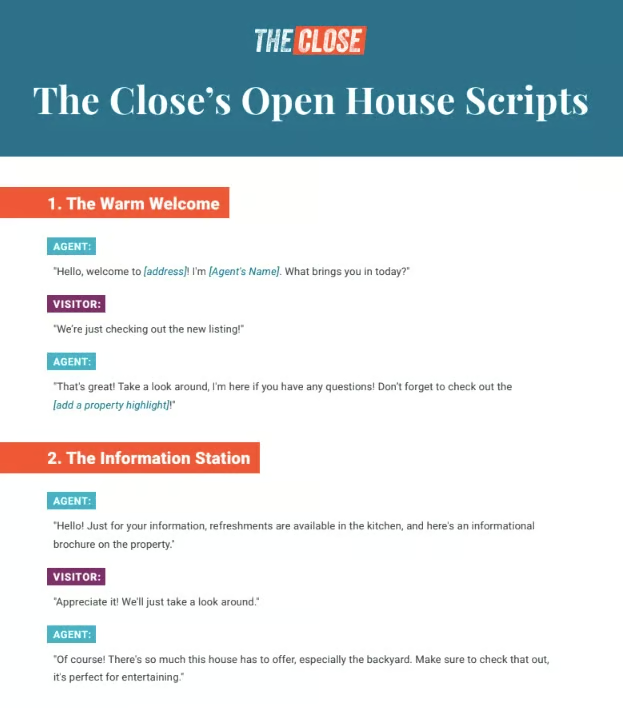
1. The warm welcome
Non-invasive open house scripts for realtors offer an invitation to converse. You will be approachable and visitors will be free to explore as they want.
Agent: “Hello, welcome to [address]! I’m [Agent’s Name]. What brings you in today?”
Visitor: “We’re just checking out the new listing!”
Agent: “That’s great! Take a look around, I’m here if you have any questions! Don’t forget to check out the [add a property highlight]”
2. The information station
If you ever need to know what to say at an open house, try providing your guests with information. In this script, visitors are directed to essential information.
Agent: “Hello! Just for your information, refreshments are available in the kitchen, and here’s an informational brochure on the property.”
Visitor: “Appreciate it! We’ll just take a look around.”
Agent: “Of course! There’s so much this house has to offer, especially the backyard. Make sure to check that out, it’s perfect for entertaining.”
3. The friendly initial meeting
Friendly real estate open house scripts invite the visitor to share their open house experience with you and, at the same time, set you up as a useful guide. Couple this greeting with a sign-in sheet form, and you’re off to the races.
Agent: “Welcome in! Is this your first open house of the day?
Visitor: “Just a couple so far.”
Agent: “Great! I’m happy to answer any questions about this one. I can also point out some unique features if you’re interested.”
Engaging potential buyers
Once prospective visitors view the property, you’ll want to initiate a conversation that stimulates their thoughts and decisions. Engaging potential buyers is about asking the right questions at the appropriate time. Whether you’re asking about their impression of the house or how it stands up against other properties they have viewed, these conversations deliver valuable information. A clear grasp of their highest priorities can help narrow down to specific features or benefits that the home may have to meet those needs.
4. Digging for search criteria
This question encourages the visitor to give an opinion so you can learn something about their real needs.
Agent: “How does this home compare to others you’ve seen?”
Visitor: “It’s nice, but we’re looking for something a bit bigger.”
Agent: “That makes sense. There are a few larger options on the market in this area. Do you have a specific size you’re looking for? I’d be happy to share some listings that fit your needs.”
5. Envisioning the future picture
Whetting visitors’ appetites by having them envision themselves in the space creates an emotional bond with the home, which is a crucial element of their decision-making process.
Agent: “What do you think about the layout? Can you imagine yourself living here? ”
Visitor: “We like the layout, but we’re not sure about the kitchen size.”
Agent: “I can understand that. One thing I’ve seen buyers do is open up this wall here to create more space. It could transform the kitchen. Are you open to renovations if the rest of the house fits your needs?”
6. Checking off the wishlist
This script will expose the buyer’s core needs and position you as a resource, whether it be in this home or others.
Agent: “What’s on your wish list for your next home?”
Visitor: “We’re looking for something with a bigger yard and maybe a finished basemen
Agent: “This property might not check all the boxes, but I can help you find something that fits your needs if you’d like.”
Dealing with casual lookers
Not every open house attracts only immediate buyers. Casual onlookers could be neighbors, window shoppers, or people simply curious about the market. Even the ones who are “just browsing” might become potential contacts for a later date. By making a good impression and letting the conversation be light with no pressure attached, you are leaving the door open for the future.
7. The friendly neighbor check-in
This conversation can turn an informal looker into a potential lead for the future while keeping a light, friendly conversation.
Agent: “I understand if you’re just browsing. Feel free to ask any questions that come up.”
Visitor: “Thanks, we’re just starting to look.”
Agent: “Totally get it. If you’re curious about anything, even about the neighborhood or the current market, I’d be happy to chat. No pressure at all.”
8. The curiosity tap
Casual lookers may not currently be in the market, but perhaps something will spark their curiosity about the local market that could encourage them to buy or sell.
Agent: “What brought you by today? Are you just curious, or are you looking for something specific?”
Visitor: “We were just driving by and thought we’d check it out.”
Agent: “That’s great! This neighborhood has been pretty popular lately. Are you familiar with the area, or are you exploring for the first time?”
Visitor: “We’ve never been to this neighborhood before.”
Agent: “Just so you know, [insert feature, new addition, or exciting perk of the neighborhood].”
9. The inspiration seeker
Casual browsers attend open houses for inspiration. By connecting them with resources or providing knowledge, you build a rapport that may translate into business when they are ready to purchase or sell.
Agent: “Sometimes people stop by open houses just to get ideas for their own home. See anything you like?”
Visitor: “Yes, we love the kitchen backsplash. It’s unique!”
Agent: “The sellers created it with an amazing local designer, really talented. He does custom kitchen details like this. If you ever want to do a renovation, I can always pass their contact info along to you.”
Visitor: “That would be great! We have been thinking about updating our kitchen.”
Agent: “I can also send you a few more ideas that might fit with the look you’re going for. If you ever want to know what renovations could increase your home’s value, I’d be happy to help!
Reaching out after an open house
The work does not stop after the open house is over. Effective follow-up is critical to turning interested visitors into buyers. An open house follow-up call script puts you back into top-of-mind status, answers remaining questions, and allows extra viewings to be scheduled. That will be an excellent opportunity to sense interest and may provide more information for those teetering on the fence. A well-constructed follow-up email might state or reinforce the benefits of the property and keep the conversation alive.
10. The open invitation
In this case, private viewing or further assistance is offered without compulsion to give the visitors space to decide for themselves while keeping the conversation open for further interaction. Here’s an example of an open house follow-up script message that could be an email or phone call:
Agent: “Hi [Name], thanks again for visiting the open house at [Address]! I wanted to check in and see if you had any questions. If you’re still interested, I’d be happy to arrange a private viewing at your convenience or show you some similar properties in the area.”
Visitor: “We’re still thinking about it.”
Agent: “No problem at all! Take your time. If you’d like to explore any other homes or need more details about this one, feel free to reach out. I’m happy to help whenever you’re ready!”
11. Offering expertise
This script positions the agent as a knowledgeable resource and adds value beyond just the property to help gain confidence and further the interaction. Similar to above, use it as a phone call, email, or even when people are exiting the open house.
Agent: “Hi [Name], thanks again for stopping by the open house at [Address]. I wanted to let you know I’m always available if you have any questions, not just about this property but about the market in general. I’m happy to help with anything from financing advice to neighborhood insights.”
Visitor: “Thanks! We’re still figuring out our next steps.”
Agent: “Completely understandable! I’d love to assist if you ever need tips on financing, home values, or even neighborhood trends. Don’t hesitate to reach out. I’m here to help with anything, even if you’re not buying right away.”
Addressing common questions or concerns
Buyers will have questions or concerns about the property, neighborhood, or certain features, and how well you address these may be the most important points to sway their decision-making process. Thoroughly answering questions shows your knowledge of the market and the property and alleviates their doubts. Whether it’s concerns over the age of the roof, the school district, or what kind of growth the neighborhood might see in the future, thoughtful and well-informed responses build trust.
12. The neighborhood expert
The detailed, relevant information you provide about the neighborhood often proves to be the deciding factor in their choice. This can help gain their trust and respect for your knowledge of the area. Example:
Visitor: “What is the neighborhood like in this area?”
Agent: “The house is located near a walking path that will take you to a great park nearby. The neighborhood also has some local shops and neighborhood restaurants that are within walking distance.”
Visitor: “That’s good to know. We enjoy taking strolls on the weekend.”
Agent: “That’s great! If you’d like, I can send you some more information about community events and local amenities.”
13. The house condition question
Discussing the condition of the property upfront and providing related documentation, such as inspection reports, allows you to build confidence and demonstrate transparency in your dealings.
Visitor: “How old is the roof? It looks like it might need repairs.”
Agent: “The roof is about 10 years old, so it’s got some years left. The sellers recently had it inspected, and it’s in good condition for now. Would you like to see the inspection report? I can share that with you.”
Visitor: “That would be helpful.”
Agent: “Absolutely, I’ll get that to you right away. If you have any other concerns, feel free to ask.”
Turning neighbors into sellers or referral sources
When neighbors come to an open house, they are often curious about the property itself, the market, or even how their home compares. While they may not be immediate buyers, they present a unique network growth opportunity. That means talking with neighbors is equally important since they might consider selling their property. Make sure this script is part of your open house checklist so you can speak to them during the open house or with a proper follow-up.
14. The market valuation offer
The free valuation will help the neighbors assess their homes’ potential value and keep you in mind when they’re ready to sell.
Agent: “It’s been great meeting so many neighbors today. With the market moving as fast as it is, have you ever thought about what your home might be worth?”
Visitor: “Not really, but we’ve noticed a lot of houses selling around here.”
Agent: “Yes, it’s a very active market right now. I’d be happy to offer a free home valuation if you’re ever curious about what your home could sell for in today’s market. It’s always good to have that information, even if you’re not planning to sell right away.”
Visitor: “That sounds interesting. We might take you up on that.”
Agent: “I’d love to help whenever you’re ready! Here’s my card, feel free to reach out any time.”
15. The Referral Connection
Referral open house scripts open up your network for more business. Even if the visitor isn’t selling, they may know someone who is, and it keeps you top of mind.
Agent: “I know you’re just looking today, but if you or anyone you know ever has questions about the market, home values, or anything real estate-related, feel free to reach out. I love helping clients, even if they’re not ready to make a move just yet.”
Visitor: “Thanks, I’ll keep that in mind!”
Agent: “No problem at all! I enjoy keeping up with the trends in this area, so if you’re ever curious about how the market’s doing or need advice on renovations, don’t hesitate to contact me. I’m happy to offer any insights that might help down the road.”
Visitor: “That’s good to know—thank you!”
Agent: “Of course! Building relationships is what I enjoy most, so don’t be a stranger. I’m always here if you need anything.”
Open house visitor information collection tools
Capturing visitor contacts during an open house is critical for follow-up and lead nurturing. Digital sign-in sheets let agents capture visitor information on a tablet or smartphone. These tools automatically sync the data into a CRM to streamline follow-ups and lead tracking. Other popular options include QR code sign-ins so visitors can scan in and input their info directly from their phones for reduced friction and increased participation. Here are three tools to help you collect open house visitor information:
| Tool/Best For | Starting Price | Learn More |
|---|---|---|
| Top Producer: Best for email marketing integrations | $179 per user, per month | Visit Top Producer |
| Curb Hero: Best for dedicated open house application | Contact for pricing | Visit Curb Hero |
| Spacio: Best for social media sharing | $25 per month | Visit Spacio |
| ApplyDesign: Best for virtual staging your listing | $7 per coin |
How to follow up after an open house
The real work starts after the open house. From my experience, this is where most agents either win the clients or lose them. The key is to follow up quickly, provide value, and make the conversation about them, not just the property.
- Reach out within 24 hours: Timing matters; follow up while the home is still fresh in the client’s mind. If you’re hosting a morning open house, I recommend reaching out that afternoon; if you are hosting a later-in-the-day open house, reach out first thing the next morning.
- Gauge their interest: It’s important to understand where a client stands. Ask simple, open-ended questions to see if they’re considering offering on the property. What they answer helps you decide your next move.
- Schedule the next step: If the buyer seems interested, offer to arrange a private showing of the property. Open houses can be busy, and a private showing allows a buyer to get a better feel for the home. If they’re not interested, suggest homes that better fit what they’re looking for. Your goal is to end the conversation with some kind of showing scheduled.
- Shift the conversation to their needs: Whether or not they’re interested in the home from the open house, take your time to learn more about their home search. Understand their timeline, budget, and must-haves. This is when you convert a lead to a client.
- Stay in touch: If the client isn’t interested in the home and isn’t ready to schedule a showing, that’s okay. Add them to your CRM, send timely listing or market updates, and reach out periodically to stay top of mind.
Open houses aren’t just about selling the home; they’re about starting conversations. The agents who follow up consistently and strategically are the ones who turn conversations into clients.
Frequently asked questions (FAQs)
How should I behave if the visitor seems unresponsive to my open house greetings?
If a visitor seems disinterested or doesn’t engage with your initial greeting, it’s important not to push too hard. Keep the atmosphere relaxed and give them space to explore on their own. You immediately follow this up with a more neutral remark, such as, “Feel free to let me know if you have any questions.” This leaves the door open for later communication, whereby they will come to you when ready. Sometimes, the casual browsers just need to warm up before engaging in deeper conversations.
What do I say to browsers who aren't buyers?
While not every visitor is an immediate buyer, it’s about dealing with all attendees as if they are all your possible future clients or referrers. Be less intense with the casual browsers by making small talk and avoiding a sales orientation. Ask questions like, “What brought you by today?” or “How do you like the neighborhood?” You never know when that casual looker might decide to buy or refer someone to you sometime in the future. The key is to leave a positive impression so they can remember you if they ever need real estate assistance.
What's the best follow-up after an open house without being overbearing?
The best follow-up is friendly and value-driven, not aggressive. Start by thanking the visitor for visiting the open house and letting them know you can answer more questions. Provide useful information like a market report or details about similar properties to continue the conversation without putting pressure on them. For example, it would go like this: “I wanted to follow up and thank you for visiting. I’d be happy to share more details or help you explore other options if you’re still in the market.” That leaves it open, giving them the avenue for further contact without being too assertive.
Bringing It All Together
Using open house scripts will take the stress out of those first interactions and give you much more confidence, no matter what situation arises. Whether you’re greeting visitors, chatting with potential buyers, or handling casual lookers, these scripts offer a refined roadmap. They will offer you creative ways to involve neighbors and then turn them into future clientele or sources of referrals. Mastering these easy techniques will make your open houses much easier and open up business opportunities later.
Related Articles