





































Sears wasn’t just a retail giant. From 1908 to 1942, the company sold more than 70,000 mail-order homes, giving Americans an innovative and affordable path to homeownership. Many of these homes still stand today. In this guide, I’ll break down the history of Sears catalog homes, their current value, how to identify them, and how to market them effectively as a real estate agent.
- The history of Sears catalog homes
- How to identify a Sears kit home
- Then vs now: Sears home prices over time
- How much are Sears houses worth today?
- 3325 Warringham Ave, Waterford, Michigan
- 6522 33rd St, Berwyn, Illinois
- 418 Ann St, West Chicago, Illinois
- 327 Geneva Rd, Glen Ellyn, Illinois
- Sears homes today
- How to market Sears kit homes today
- Frequently asked questions (FAQs)
- Your take
- Sources
The history of Sears catalog homes
In 1908, Sears, Roebuck and Company, more commonly known as Sears, launched its first Sears Modern Homes Catalog. Prospective homeowners could choose from various home models in the catalog, place an order, and receive the home kit by mail.
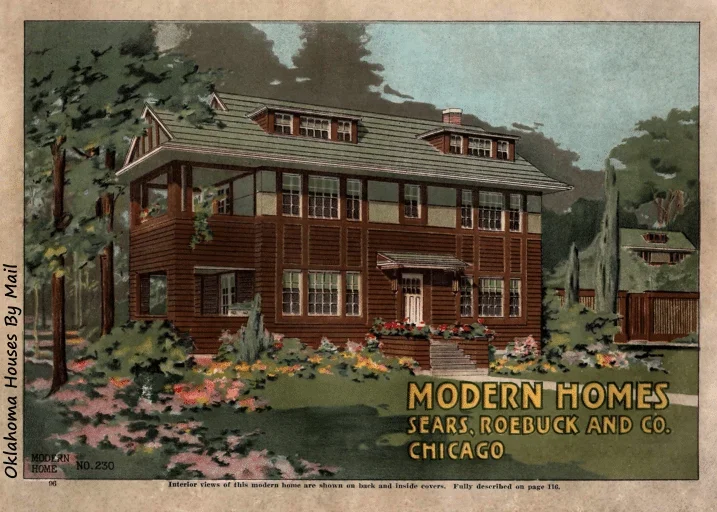
That year, the base price for a Sears home kit was approximately $6501, equivalent to around $22,000 today. Of course, that price didn’t cover the land, electrical, and plumbing — it only included the necessary materials (e.g., lumber, shingles, millwork) and building instructions. These weren’t flimsy materials; Sears delivered high-quality, pre-cut pieces that were made to last.
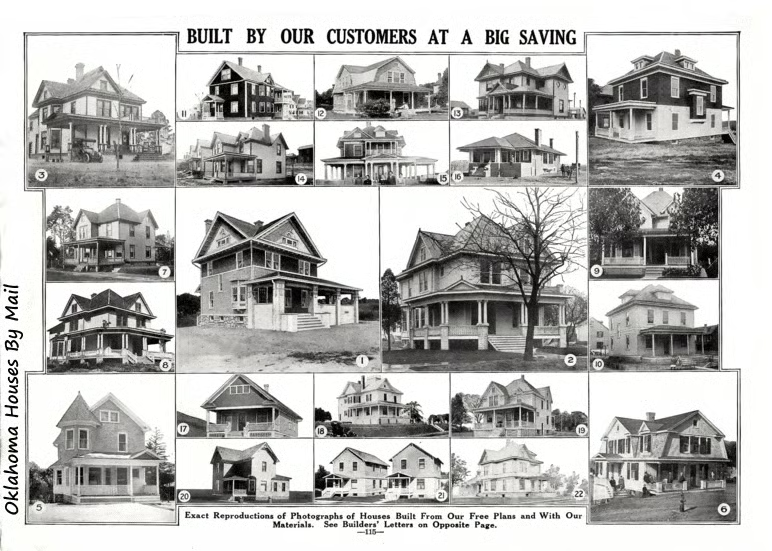
The 1910s proved to be another successful time for Sears Modern Homes. The company streamlined home kit production, established regional shipping warehouses, and offered payment plans. Sears catalogs became a favorite source for clothing, appliances, homes, and furniture — a one-stop shop for every American. Families built their dream homes from Sears kits, highlighting the ease of assembly.
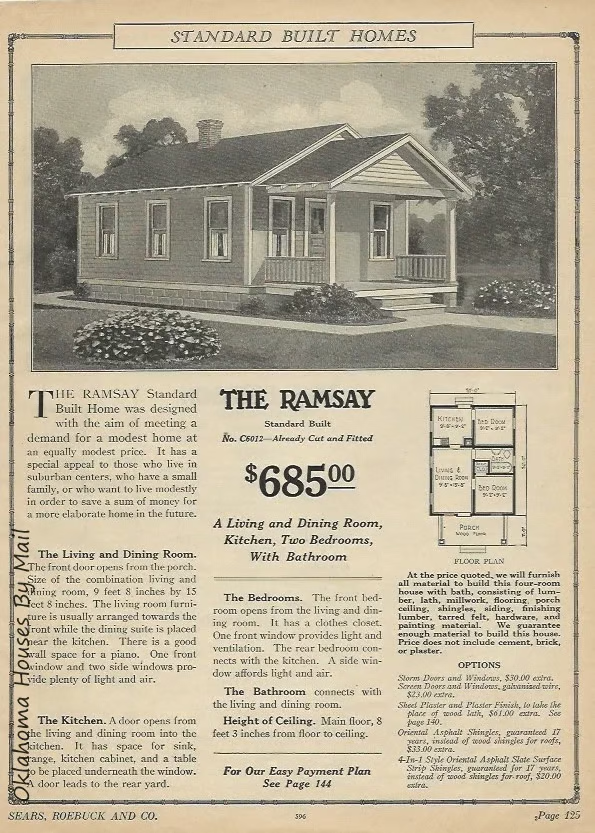
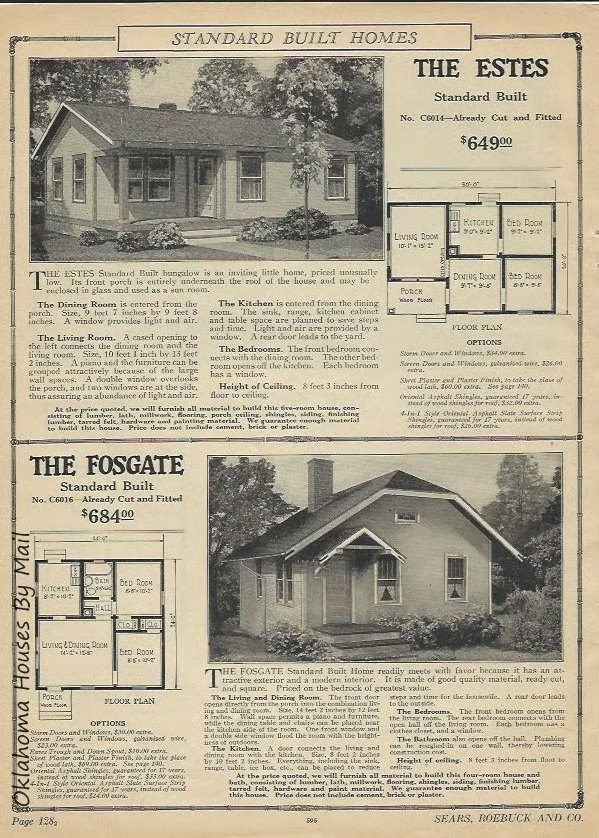
By 1915, Sears continued to innovate by offering a wider range of home styles. The Sears Modern Homes Catalog featured around 370 models, with approximately 80 to 100 models in each issue, catering to diverse preferences, budgets, and family sizes.
The popularity of Sears catalog homes soared throughout the 1920s, fueled by a thriving economy and the convenience of mail-order purchasing. Sears also recognized the growing demand for modern amenities and began offering electrical wiring and plumbing fixtures as add-ons in their kits.
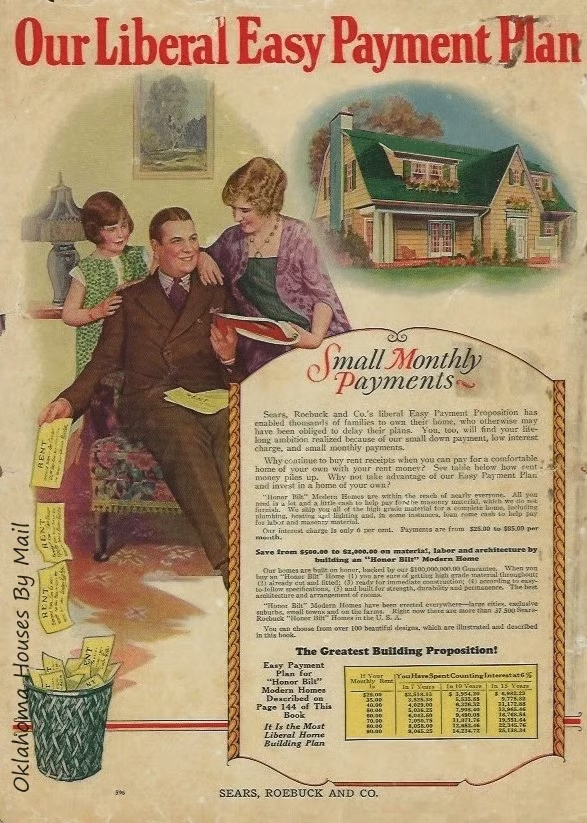
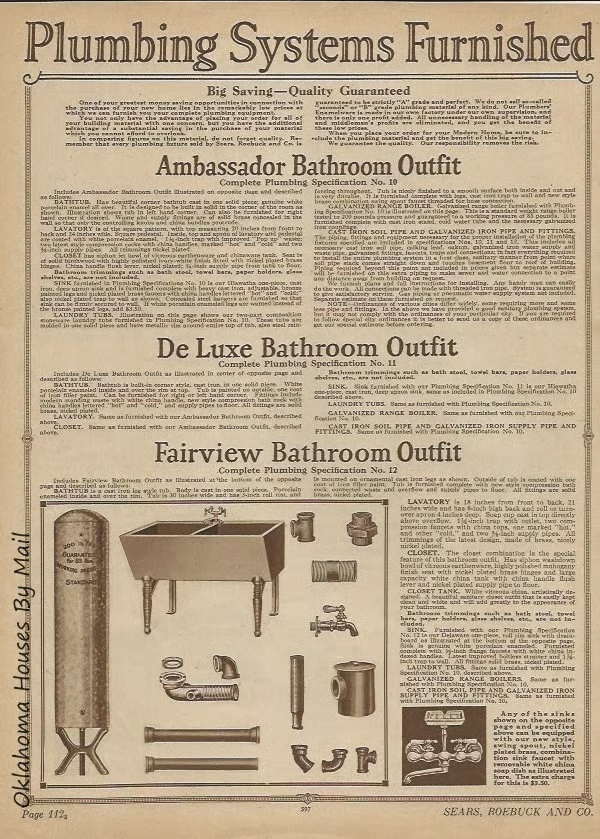
During the Great Depression of the 1930s, Sears continued to offer smaller, more affordable houses to cater to tighter budgets and changing market demands. However, despite these more economical housing solutions, Sears’ sales still dipped. As a result, Sears stopped selling home kits in 1940, marking the end of a significant era.
Sears may have ceased its mail-order housing business, but its legacy remains. According to reports, Sears sold more than 70,000 home kits.2 Although Sears no longer sells home kits, many of these houses still stand and become available on the market. You might even stumble upon some of them on property listing sites!
While there is no fixed price for a Sears home today, listings typically range from $300,000 to over $1 million. The continuous presence of Sears homes in the housing market only proves their timeless appeal, which continues to attract buyers.
How to identify a Sears kit home
Think your current gorgeous bungalow listing arrived by mail order during the 1930s? Here’s how to crack the code and see if you got a Sears house listing:
1. Inspect parts of the house
Study the construction materials used in the house. Popular home styles associated with Sears houses include Craftsman bungalows, Tudors, and Colonial Revivals. These styles usually featured low-sloped roofs, elaborate chimneys, and spacious front porches, mostly constructed with pre-cut pieces, pre-cut lumber, and asphalt shingles.
2. Identify unique markings & consult Sears catalogs
Look for markings such as stamped lumber in the basement or attic, as these were used to assist in construction. Not all Sears houses have these letter and number markings, but their presence is a vital clue. Additionally, check behind millwork, such as window trims and baseboards, for some shipping labels. Sears attached these labels to some pieces, so look for markings indicating the house’s origin.
3. Research the house’s history
Gather information about the house’s original owner and construction date. Explore the archives and historical records in your local library to learn more about the house’s origins and its potential ties to Sears catalog designs. Check if the house was built when Sears home kits were popular.
4. Seek an expert’s opinion
If you’re still unsure whether you have a Sears house, consider seeking a professional’s opinion or consulting with someone familiar with Sears homes. You can also contact historians, preservation specialists, or organizations identifying properties with architectural histories.
Additionally, you can join online communities or forums, such as Facebook groups and Reddit threads, dedicated to Sears homes. Connect with other Sears homeowners and enthusiasts who can guide your research.
Then vs now: Sears home prices over time
Curious how much these Sears kit homes have climbed in value over the decades? Here’s a side-by-side comparison of some of their original catalog prices, adjusted for inflation, alongside what they’re currently fetching on the market.
| Sears house model | Original price (year) | Inflation-adjusted price (2026) | Recent sale price |
|---|---|---|---|
| Lewiston | $8,700 (1929) | $158,181.82 | $342,000 |
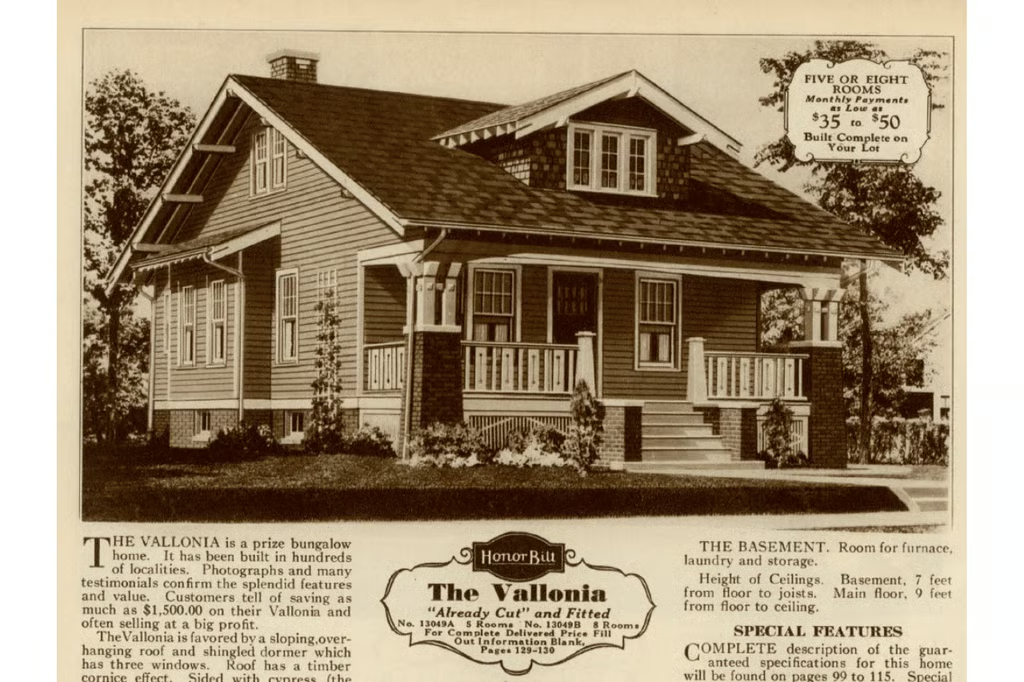
| Vallonia | $1,979 (1920) | $30,921.88 | $245,000 (2024) |
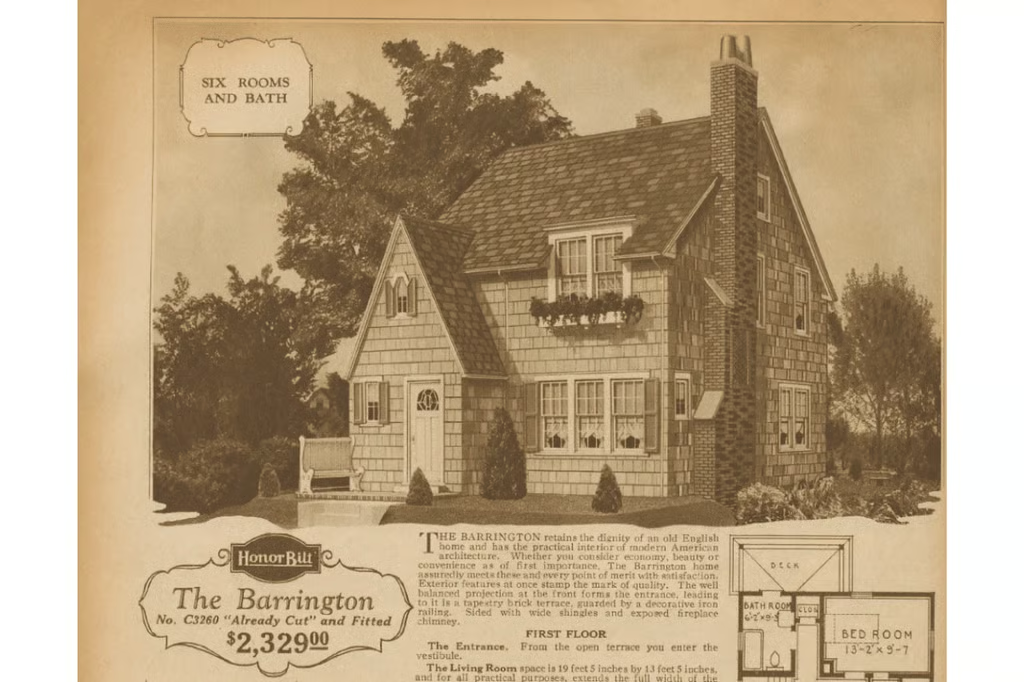
| Barrington | $2,425 (1926) | $43,303.57 | $325,000 (2024) |
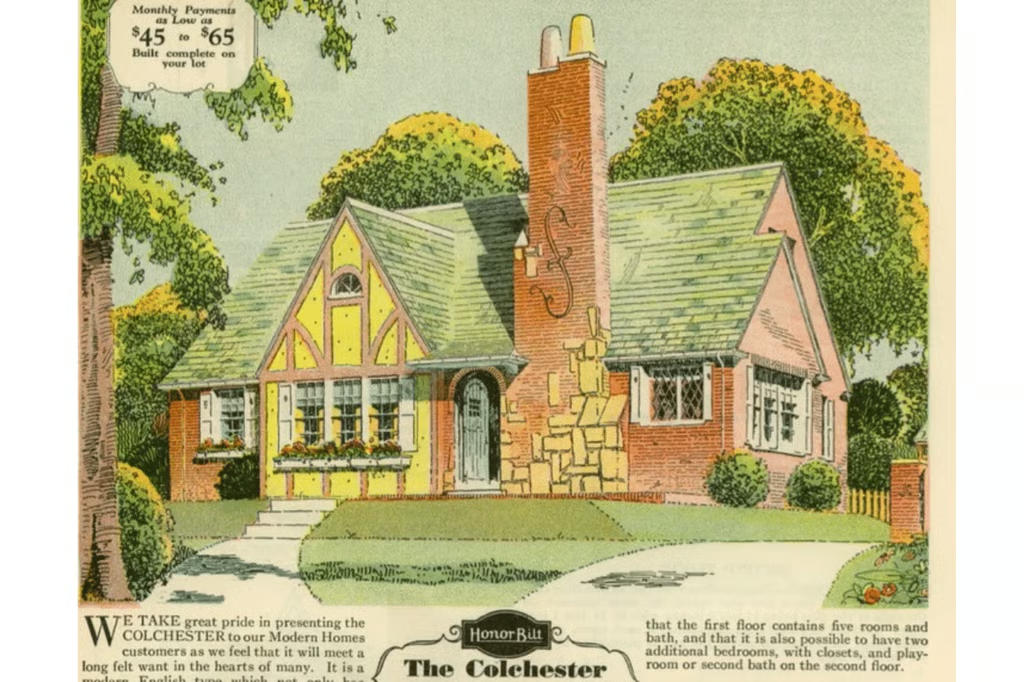
| Colchester | Approx. $4,000 (1920s) | $62,500 | $420,000 (2024) |
Note: Inflation-adjusted prices are approximate and based on historical inflation rates. Recent sale prices can vary significantly based on location, condition, upgrades, and cultural value.
How much are Sears houses worth today?
While you couldn’t order a Sears house from today’s catalog anymore, many of these iconic houses still stand. If, by any chance, you own one or are about to have one as your listing, you might be surprised by its current value. And believe it or not, these Sears modern homes don’t even stay on the market long!
Here are some Sears kit homes that were just sold over the past year:
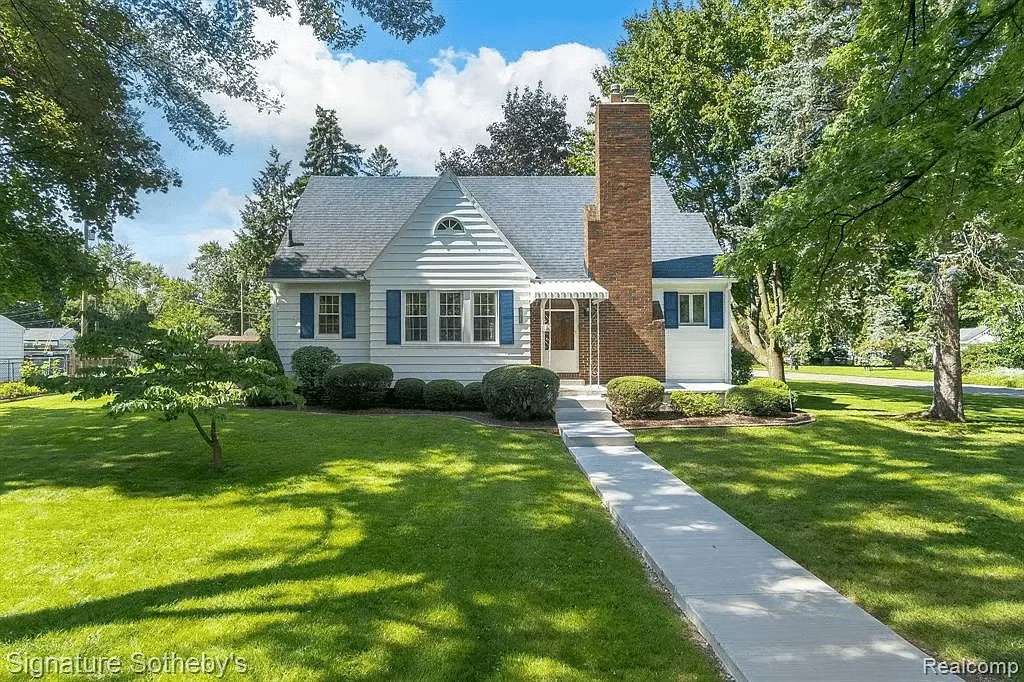
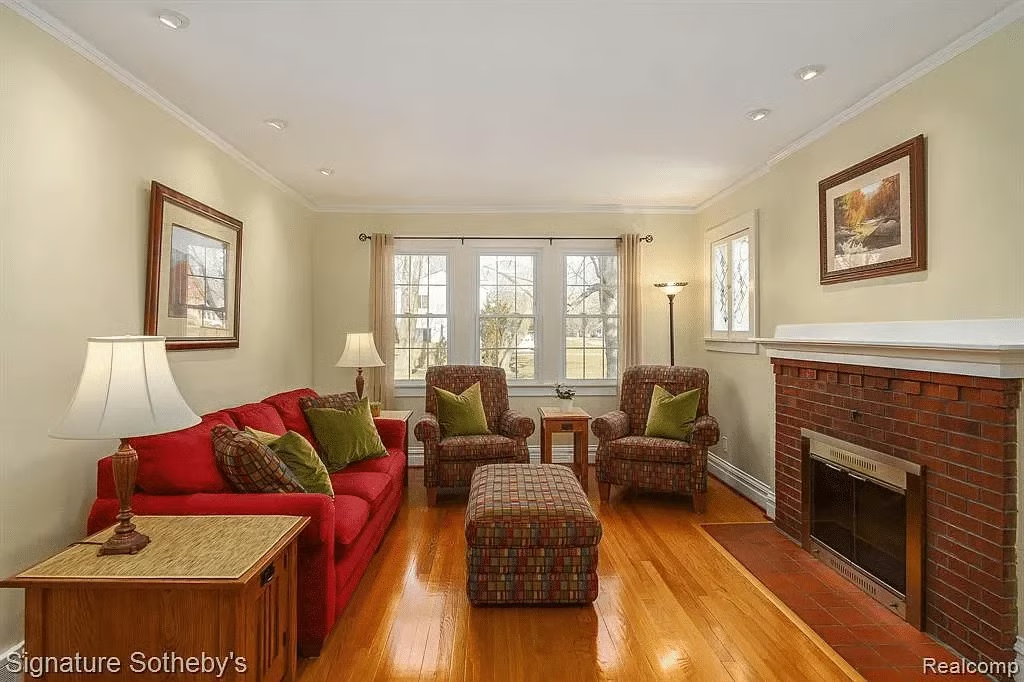
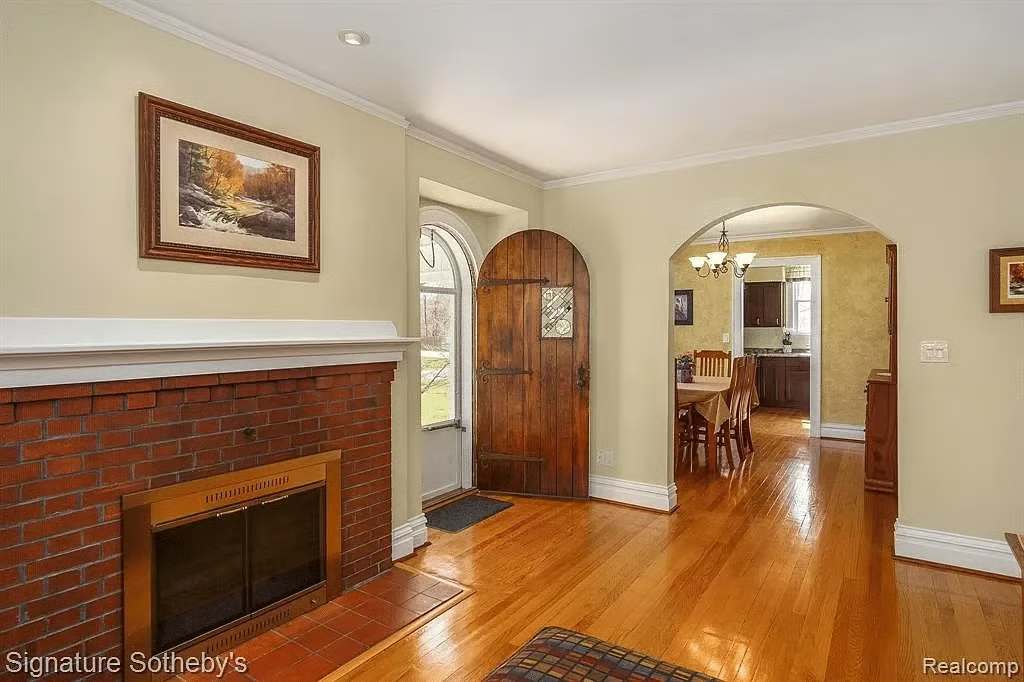
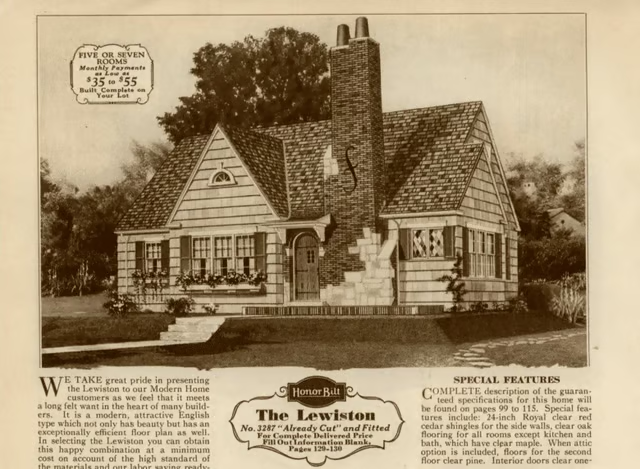
3325 Warringham Ave, Waterford, Michigan
 Sold price: $342,000
 Sears house model: Lewiston
 Year built: 1929




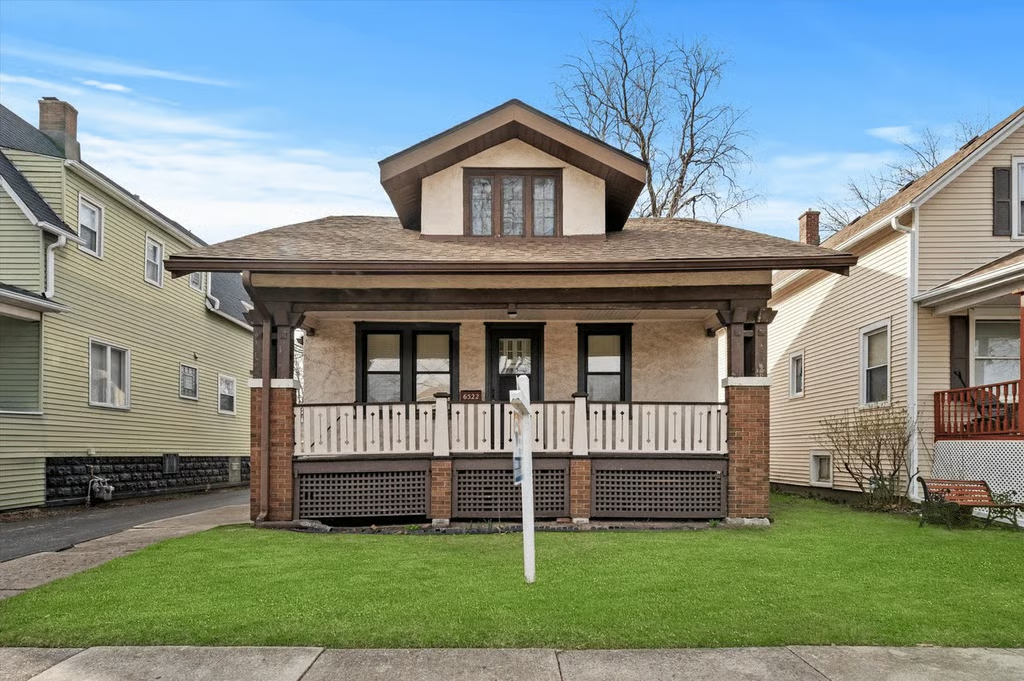
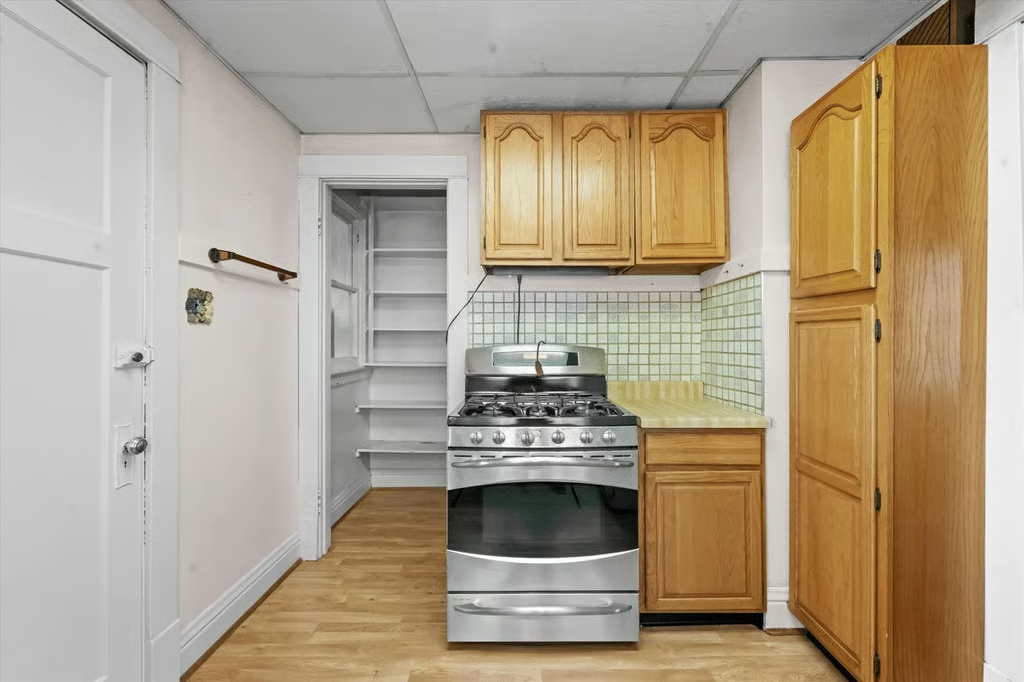
6522 33rd St, Berwyn, Illinois
- Sold price: $245,000
- Sears house model: Vallonia
- Year built: 1922



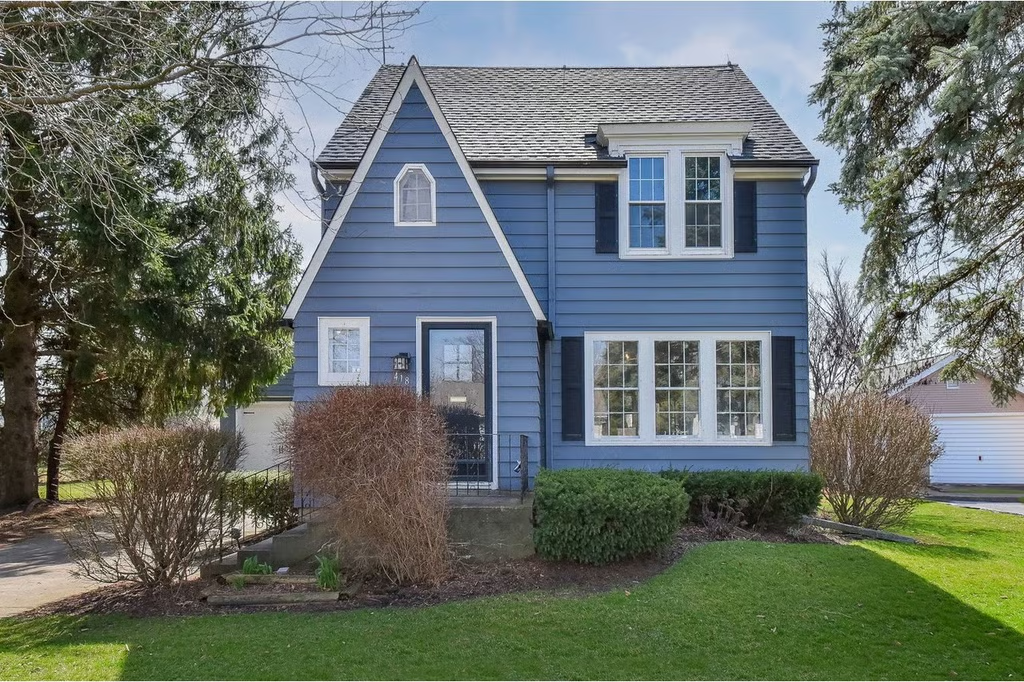
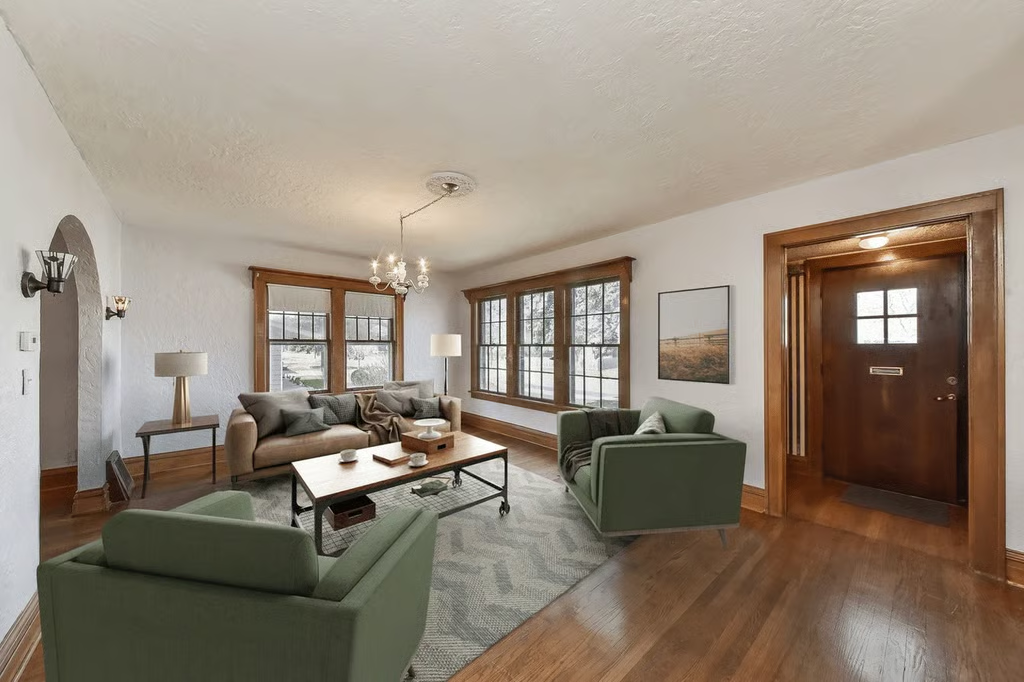
418 Ann St, West Chicago, Illinois
- Sold price: $325,000
- Sears house model: Barrington
- Year built: 1928



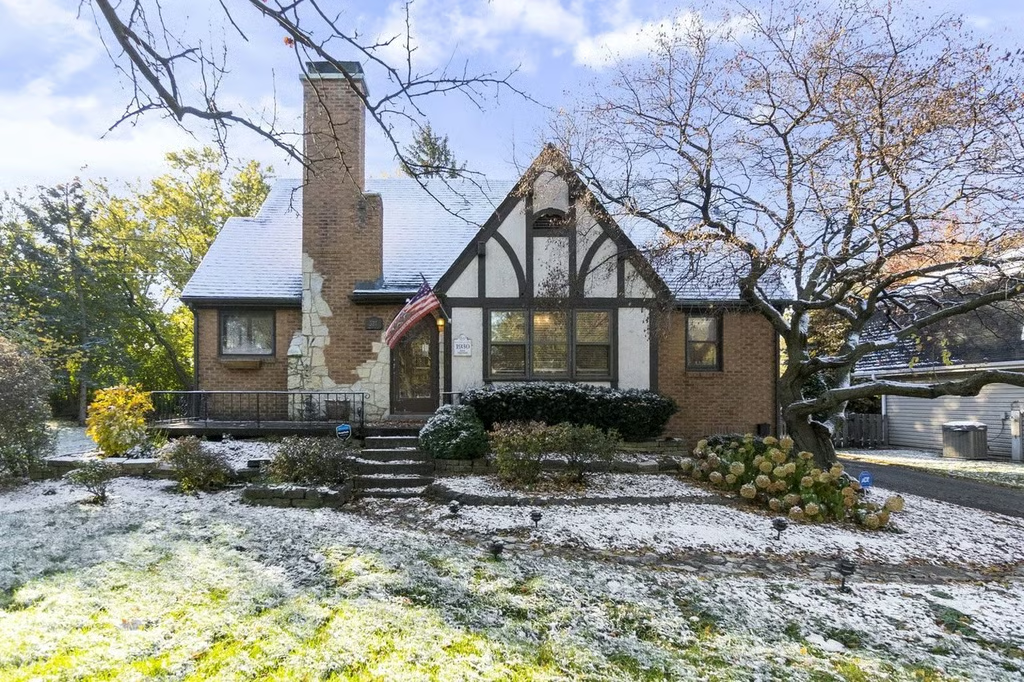
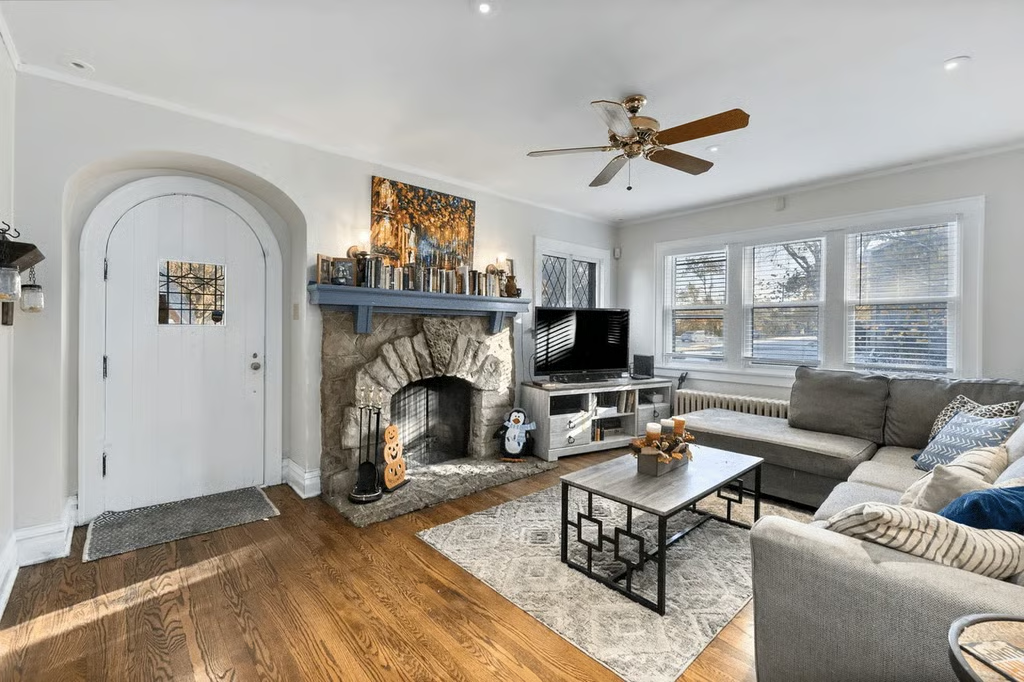
327 Geneva Rd, Glen Ellyn, Illinois
- Asking price: $420,000
- Sears house model: Colchester
- Year built: 1926



Sears homes today
Sears catalog homes aren’t just surviving, they are thriving and evolving. Recently, in Lamberville, New Jersey, a 100-year old Sears kit home was sold and underwent a major transformation, including lifting the entire structure six feet and relocating it to a new lot. The home was renovated to suit modern living, a formal dining room was added, and entertaining spaces were expanded while preserving the historic charm.
The home started as a mail-order kit home, but is now a high-end design-forward property, proving that these homes can compete in today’s luxury market. Projects like this highlight the versatility of Sears homes, and are a powerful reminder to agents when marketing that Sears homes aren’t just about history, they’re also about potential.
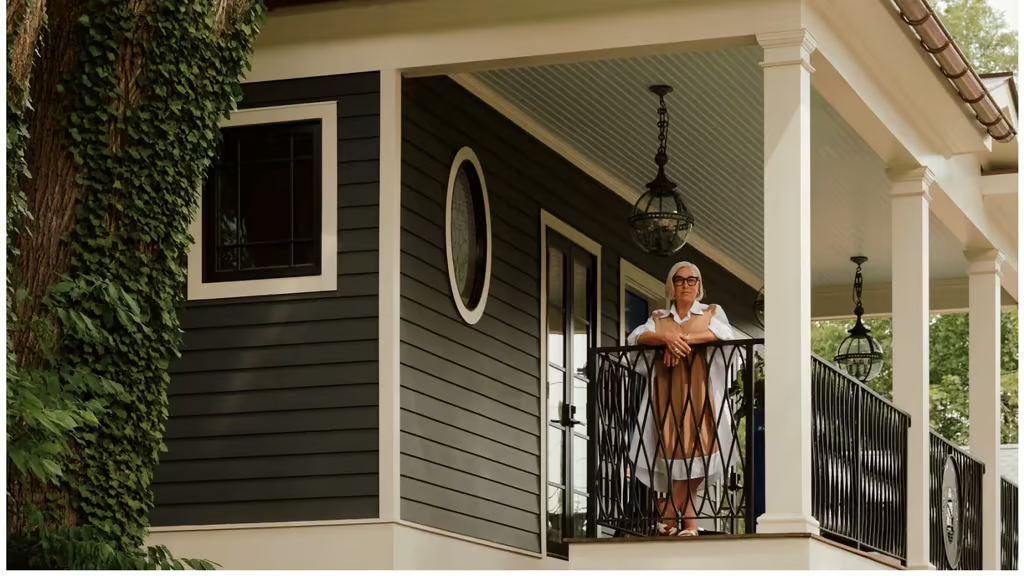
Exterior of renovated home with owner (Source: Mansion Global) 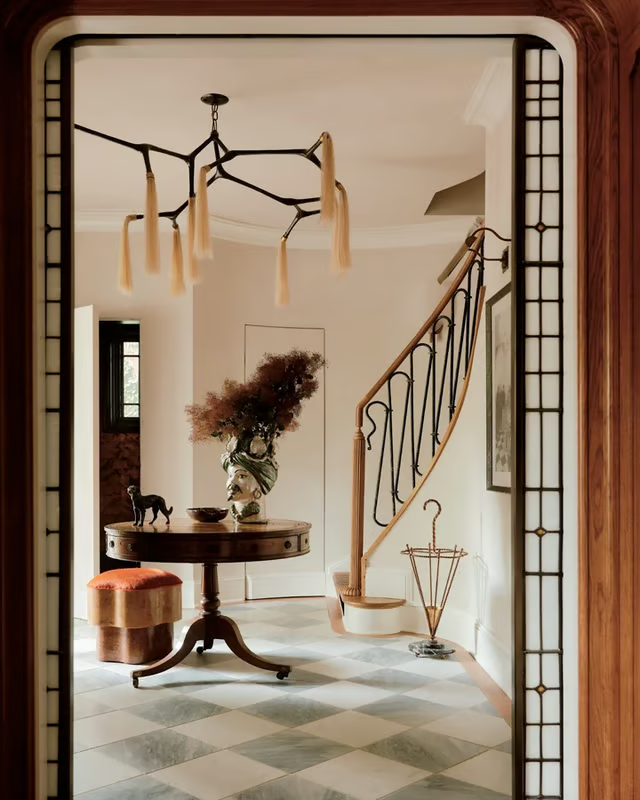
Home’s entryway (Source: Interior Designer) 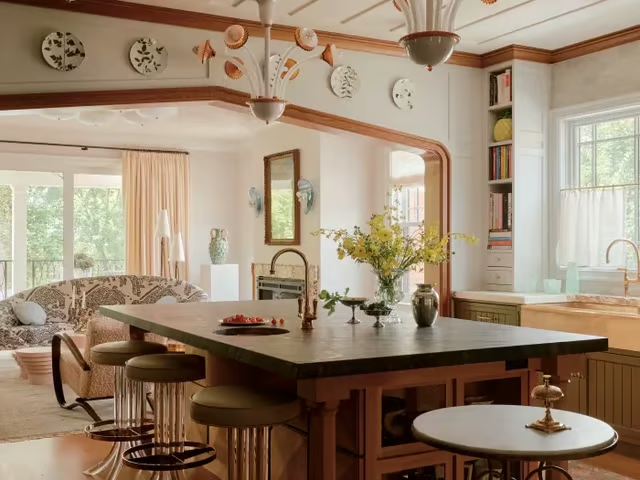
Modernized kitchen (Source: Mansion Global)


How to market Sears kit homes today
Promoting Sears kit homes can be a unique opportunity for real estate agents! Contrary to popular real estate belief, property listings don’t sell themselves, so here are several strategies that real estate agents can employ to market Sears catalog homes effectively:
- Highlight facts and history about the Sears homes: Educate buyers about the history and unique qualities of these homes. Create educational content, such as blog posts and videos (or share this article!) that highlight the appeal of Sears houses.
- Emphasize the home’s quality and craftsmanship: In your property listing descriptions, highlight the Sears house’s classic features. Mention its solid wood construction, iconic trim work, and spacious layouts. Stress their sturdiness and timeless charm, adding value and character.
- Network and target niche audiences: Identify individuals interested in Sears catalog homes and establish connections with potential leads to build a strong network. These individuals may be history buffs, artists, or enthusiasts of vintage homes. Invite them to property showings or open houses, and tailor your marketing efforts to these audiences.
- Mention update potential: These older homes can be considered out of style, and highlighting their update potential can be a great selling point for buyers who struggle to envision it. I recommend including 3D mock-ups for renovations, or stating in the listing description if the town has already approved a renovation or expansion.
- Create virtual tours: Produce high-quality photos and video walkthroughs to showcase the interiors and exteriors of Sears houses. Consider adding aerial shots to show the home’s surroundings and neighborhood appeal. Create virtual tours using software like Zillow 3D Home Tours, Matterport, and Asteroom.
- Host an open house: Organize open houses to promote your Sears house listing and attract interested buyers. Utilize various marketing channels, including local newspapers, neighborhood newsletters, and community events, to promote your open house.
- Social media marketing: Leverage social media platforms like Facebook, Pinterest, Instagram, and TikTok to market Sears catalog homes for sale. Utilize targeted ads to reach specific demographics interested in historical architecture and home restoration, thereby enhancing the visibility of your listings.
Frequently asked questions (FAQs)
Can you still buy houses from Sears?
Unfortunately, Sears stopped selling kit homes in the 1940s. However, many Sears kit homes still exist across various states and are preserved by homeowners.
How can you tell if your house is a Sears house?
Look for your home’s unique features, such as stamps on lumber and shipping labels. Additionally, check local archives and old Sears catalogs to see if your house matches any Sears home plans. For more information, check our section above on identifying a Sears kit home.
In which states are Sears houses most prevalent?
Illinois, Michigan, and Ohio have the highest number of Sears houses due to the popularity of mail-order shopping at the time. Other states, particularly California, Massachusetts, and New York, also saw a surge in these catalog homes.
Are Sears houses today still valuable?
Despite their age, Sears houses still hold significant value in today’s real estate market. Many prospective buyers and homeowners are drawn to Sears houses’ craftsmanship, considering them part of American architectural history. Sears catalog home values often appreciate over time, especially when they’re well-maintained and situated in sought-after neighborhoods.
How did Sears Catalog houses work?
Prospective buyers used to browse the Sears house catalog, select a house from the featured designs, and place an order. The company would then ship a Sears Roebuck house kit containing pre-cut lumber, windows, doors, roofing materials, and a detailed construction plan to be assembled by the buyer or a hired contractor.
Your take
Sears houses are timeless classics, adorned with unique design elements and cherished for their historical significance. Today, these homes continue to shape the market through their craftsmanship, character, and adaptability. Whether you’re listing one, touring one, or just spotted one in your neighborhood, understanding their value can help you stand out as a more informed agent.
You may also like…
- 25 Popular Home Styles Every Realtor Should Know
- The Ultimate Real Estate Listing Marketing Plan (PDF Checklist)
- 20 Weird Real Estate Listings in 2026 You Won’t Believe
- The Top 13 Creepy Real Estate Listings in 2026