





































Every showing, meeting, and open house carries its own share of risks in real estate. The right realtor safety tips can help you navigate them confidently while keeping you and your clients protected. Always remember your safety is the number one priority. So, whether you’re unlocking doors to properties in the bustling New York City or a quiet town in Alabama, keep these practical strategies in mind to ensure real estate agent safety.
Client screening & verification
Meeting a potential client for the first time should never be a leap of faith. A few simple steps to verify who you’re dealing with can protect your safety and time.
1. Pre-screen prospective clients

Before meeting with clients:
- Obtain and verify their full names, addresses, and contact information, such as phone and email.
- Check their public social media accounts to see if they’re legit and how they behave online.
- Ask why they’re seeking your services and observe whether they provide many details or are vague.
You can do an informal online search for background information by looking up their name with keywords such as “arrest” and “felony.” Many public records are now available in online court databases, so you can check for criminal activity and see if they have had any evictions or housing court cases. These don’t have to be deal-breakers, but they can give you an idea of who you’re working with.
Instead of meeting at the house, invite your clients to your office to review their pre-approval letter, must-haves, wants, and budget, and identify potential houses to show. Ask questions to gauge whether they’re serious about buying or selling a property, such as their timeline, why they’re buying or selling, how long they’ve been looking, and which other agents they have worked with.
🚩Red flag: If they refuse to meet you publicly or at your office, they may have ulterior motives or aren’t genuinely interested in real estate transactions. Remember, trust your instincts, and proceed with caution in such situations.
2. Limit open house traffic to one group at a time
Managing how people move through an open house is extremely important. I always keep open houses limited to one group at a time, as it helps me maintain visibility, stay aware of everyone inside, and reduce the risk of theft or unsafe situations. Keeping open houses to one group at a time also fosters better, more personal interactions with potential buyers and reassures sellers that you’re actively monitoring who enters their home.
🚩Red flag: Large crowds moving freely through the property can make it difficult to track who’s inside, increasing the risk of stolen items, property damage, or unsafe situations. If a buyer is actually serious about buying, they will be willing to wait for another group to finish touring the home before entering.
Showings & open house realtor safety tips
Your safety should be paramount, from unlocking the door to the last handshake. These tips help create a secure environment while making a great impression on potential buyers.
3. Share your location with colleagues or friends
If no one’s available to accompany you at a property showing or an open house, practice agent safety by ensuring someone knows your location. Inform a colleague, friend, or family member about your whereabouts when meeting clients or during showings. Share your location in real time using GPS-enabled technology or apps.
🚩Red flag: In areas with low cell signals, especially rural locations where connectivity may be unreliable, planning and taking additional precautions for your safety is essential. Consider bringing a colleague, friend, or family member along when visiting properties or conducting showings in remote areas. Having a buddy provides an extra layer of support and security.
📌 Pro Tip
Agent Tip: Not only share where you are going with your colleagues or friends, but also share when you expect to be done. I’ve made this a habit in my own business, and it adds an extra layer of security. If I’m at a showing longer than expected, a colleague or friend will check in, which gives me peace of mind knowing someone has my back.
4. Schedule daytime showings

Schedule property showings during daylight hours as much as possible. Daytime appointments are much safer and offer better visibility compared to evening showings. Often, more people are around during the day who may notice cars coming and going from their neighborhood. If you encounter a neighbor, introduce yourself and give them your business card. That way, they know who you are and where to call if something happens.
🚩Red flag: Even with daytime meetings, always screen your clients. Refusing to meet in daylight can indicate potential safety concerns. If they cite work conflicts, arrange to meet them publicly or at your office, and discreetly confirm their workplace. You won’t likely get more information than that, but asking doesn’t hurt. Prioritize your safety by setting clear boundaries and insisting on safe meeting conditions.
5. Don’t advertise a listing as ‘vacant’
Never advertise a house as “vacant” on listing websites or other marketing materials. Instead, opt for neutral language that does not explicitly disclose whether the property is occupied or vacant. Focus on highlighting the property’s features and amenities to attract genuine buyers or renters without compromising security. Also, use virtual home staging to make the home look lived in for your real estate photos.
🚩Red flag: Advertising a property as vacant can encourage intruders to break into the home, for squatters to set up residence, or someone with bad intentions may try to get you to show them the house, knowing that no one will be there.
6. Always let the client walk in front of you
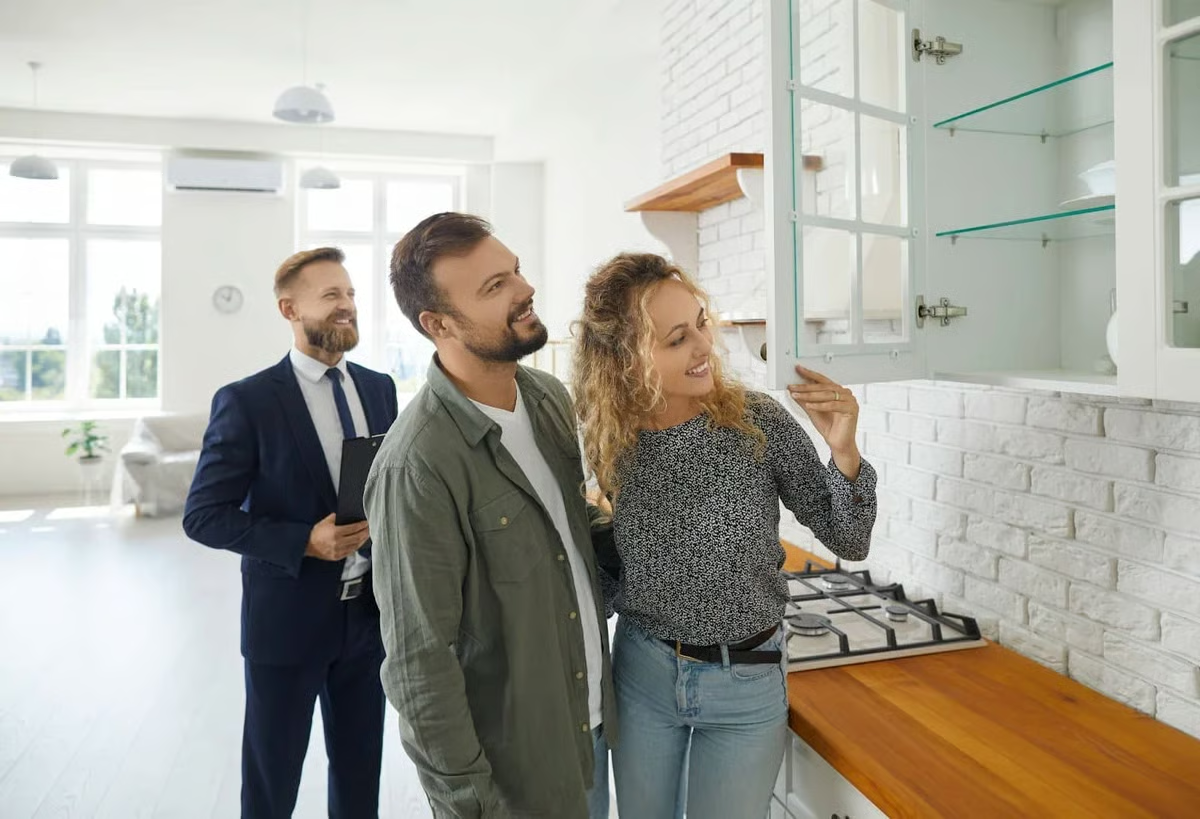
During property showings or house tours, allow your clients to walk ahead of you while you follow behind them. This position lets you maintain visual contact and a safe distance in unexpected situations. By positioning yourself slightly behind, you’ll be able to observe your client’s responses to the property while also monitoring their movements.
🚩Red flag: When you let someone walk behind you, they can approach you from behind without your knowledge and catch you off guard. Walking behind them also gives a little freedom to explore without rushing them.
📌 Pro Tip
Agent Tip: If a home has a basement, always have your client go downstairs first, and if you’re not comfortable, stay upstairs while they check the area. Going first can give unscrupulous individuals the ability to lock you in the basement.
Property awareness & on-site security
Knowing a property’s layout, exits, and possible hazards puts you in control. A little prep work goes a long way in keeping you and your clients safe during a showing.
7. Familiarize yourself with the property & neighborhood
Research the property and its surroundings before showings, and note nearby amenities, exits, and any hazards like unstable structures or uneven floors. Ensure all exits work and security features, such as alarms or deadbolts, are in place. Being well-informed about the property and its surroundings can help you effectively show the house and ensure a safe and successful experience.
🚩Red flag: Arriving at the home before a showing allows you to identify areas where you can get out in an emergency. If the prospective buyer is there when you arrive, that could be a red flag or simply an eager buyer. Ask them to wait in their car while you get things ready. Go inside alone and lock the door behind you while familiarizing yourself with the property.
8. Park your car in a well-lit area
When meeting clients, park your car in well-lit areas with good visibility. If you need to leave quickly, park on the street instead of the driveway to prevent someone from blocking your vehicle.
🚩Red flag: If they block your vehicle, it could hinder your ability to escape quickly in an emergency or if you feel uncomfortable during the showing. This situation could leave you feeling trapped or vulnerable. Parking your car in the driveway instead of on the street may also isolate you from neighbors or passersby who can provide assistance or intervene in the event of suspicious activity.
9. Install cloud-based security cameras
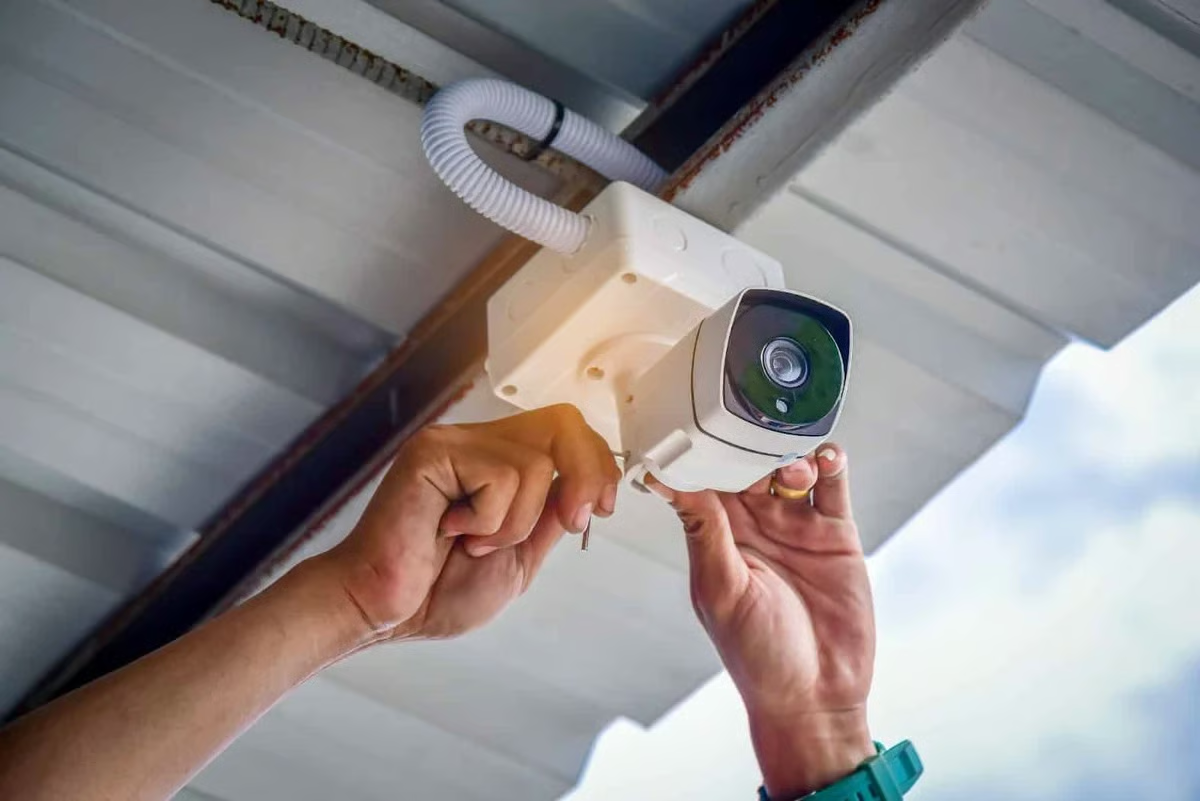
Consider installing cloud-based security cameras in key areas before showings or open houses. They can deter criminals, provide evidence in case of theft, and allow you to monitor the property remotely. Additionally, cloud-based storage ensures that footage is secure and accessible from anywhere with an internet connection.
🚩Red flag: Some surveillance cameras will always have blind spots. To enhance security and minimize risks, you can restrict access to areas with blind spots during open houses, increase lighting in specific locations, and strategically place mirrors to monitor certain spaces indirectly.
📌 Pro Tip
Agent Tip: Installing security cameras on vacant properties is a great deterrent against squatters and break-ins.
Protecting personal privacy & image
What you share and how you present yourself can influence your safety on the job. Setting boundaries with your personal information and appearance helps minimize unnecessary risks.
10. Limit personal information
Exercise caution when sharing personal information. I know it’s hard. As real estate agents, we love people and are very personable. However, avoid disclosing details about your personal life and schedule to minimize the risk of targeted attacks. Here are some steps to protect your personal information online:
- Use a professional email address and office or Google Voice phone number instead of personal accounts for real estate transactions.
- Adjust your privacy settings on social media to control the visibility of personal information.
- When creating listings or profiles on real estate websites, provide only the necessary contact information. Avoid sharing sensitive info such as your home address or personal photos.
- Use pseudonyms or initials rather than full names on online platforms or directories where the public can access personal information. Doing so reduces the risk of identity theft.
🚩Red flag: Real estate agents who publicly share personal information online may become targets of harassment, stalking, real estate scams, or unwanted solicitations. Exposing personal details also increases the risk of identity theft, privacy breaches, or fraud.
11. Don’t wear expensive jewelry

Instead of wearing flashy jewelry, opt for accessories with built-in safety features, such as smartwatches from Apple, Samsung, or Fitbit, that let you send messages to your emergency contacts with your GPS location. Dress professionally and modestly to minimize the risk of becoming a target for robbery or assault.
🚩Red flag: Flashy jewelry can attract thieves’ attention, making agents more susceptible to assault or, worse, violent crimes. Agents should avoid wearing extravagant accessories when working in unfamiliar places. Wear comfortable shoes and clothing if you need to make a quick getaway.
Tools & tactics for emergency readiness
When the unexpected happens, being prepared can make all the difference. These tools and habits help you respond quickly and confidently in any situation.
12. Use safety apps

One of my top real estate agent safety tips is to utilize apps specifically designed for agents. Real estate safety apps typically offer panic buttons, emergency alerts, and location tracking features.
Here are some situations wherein safety apps come in handy:
- Meeting with new clients.
- Working alone in remote locations or secluded properties (if you can get a signal).
- Hosting open houses and property showings.
- Nighttime showings.
- If you feel unsafe (trust your gut!).
🚩Red flag: Ensure your phone is readily accessible, preferably in your pocket, rather than buried in your purse or bag. In an emergency where you need to use a panic button on a safety app, having your phone quickly within reach allows for an intuitive response, potentially minimizing the time it takes to send an alert or call for help.
13. Keep calm & stay alert
Always stay calm and maintain awareness during all client interactions and property showings. Most people who try to buy or sell a house are legitimate and harmless. However, a level head enables you to think clearly and respond effectively in a crisis. Here are some tips to help you stay alert and calm:
- Preparation is always essential. Following these tips ahead of your meetings, you’ll respond instinctively rather than react.
- Trust your instincts. If you arrive at a property and something doesn’t feel right, it probably isn’t. It’s OK to leave or drive around the block and phone someone to come with you.
- Meditation, self-defense, and personal safety courses can teach you how to respond to a crisis.
- Pay attention to your breath. Breathe naturally or take a few deep, calming breaths.
🚩Red flag: If you’re feeling threatened, prioritize your safety by attempting to de-escalate the situation, seeking refuge in a secure location, and contacting emergency services immediately.
14. Have an emergency plan
Not all realtor safety tips involve an attack from a person. The dangers could be weather-related, property hazards, or uncontrollable pets. Prepare an emergency response plan for various scenarios, including hostile encounters, medical emergencies, animal attacks, and natural disasters.
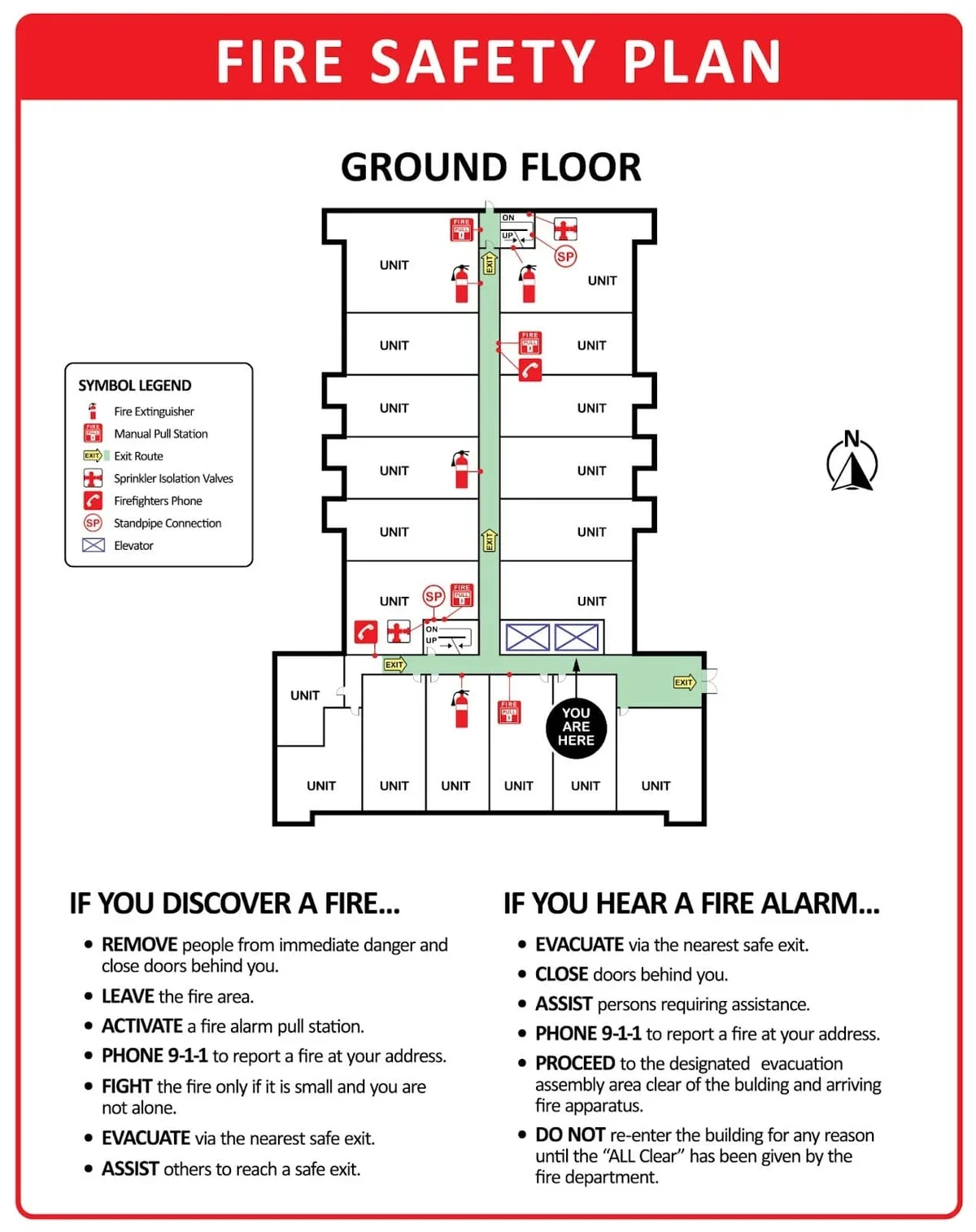
🚩Red flag: If an emergency happens and you don’t have access to basic supplies like a first aid kit of flashlight, you’re putting yourself at unnecessary risk.
15. Trust your instincts and leave if something feels off
Your safety is more important than any deal. If a situation, house, or client makes you uncomfortable, trust your gut and remove yourself immediately. You can always reschedule, bring someone with you, or decline the opportunity altogether.
🚩Red flag: If you’re second-guessing a situation and a client or property is making you uncomfortable, excuse yourself and stand outside. I’ve done this myself–giving yourself space allows you to reset, assess the situation, and decide how to move forward safely.
Frequently Asked Questions (FAQs)
What are some hazards of being a real estate agent?
While real estate agents don’t encounter inherent physical hazards like other high-risk professions, safety risks are still associated with the job. Being a realtor has the potential for property and driving hazards, as you’ll often visit unfamiliar properties. There will also be safety concerns since meeting strangers is a part of your routine. If you’re a new agent, I suggest taking NAR’s Realtor Safety course.
Is being a real estate agent a safe job?
This career may look luxurious, but working as a real estate agent has potential dangers, such as encountering suspicious individuals, getting injured on a property, or being involved in a motor vehicle accident, since agents spend a significant amount of time on the road. Despite the risks, real estate agents successfully manage their careers safely by implementing preventative measures and adhering to safety protocols. It can also be a gratifying career.
When showing a client around a property, how should you proceed?
To practice real estate agent safety, always remember to keep your client in front of you when showing a property. Never put yourself in a vulnerable position by turning your back on a client.
Your take
Follow these safety tips for real estate agents to mitigate risks while on the job. In real estate, safety isn’t optional–it’s part of the job. The more intentional you are about your safety practices, the more confidently you can show up for your clients.
You may also like…
- 10 Real Estate Scams You Should Know in 2026
- 12 Best Real Estate Apps for Agents in 2026
- 14 Real Estate Agent Tips for Newbies to Guarantee Success
- The Ultimate New Real Estate Agent Checklist: Your Path to Success