


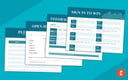


































More than explaining the process, an effective buyer presentation should set expectations, demonstrate your value as a real estate professional, and establish a working relationship from the start. It must include a summary of the buyer’s needs, market overview, property selections, and next steps. In today’s market, where buyers are more informed and less likely to commit without clarity, a well-structured buyer presentation is an important tool for converting serious prospects into loyal clients.
In this guide, we’ll walk through exactly how to build and deliver a buyer presentation that connects with modern buyers. You’ll learn what to include, how to position your expertise without overselling, and how to use the presentation to create alignment, confidence, and commitment.

What is a buyer presentation for real estate?
A real estate buyer presentation is a structured, professional meeting that outlines how you work with buyers and what they can expect from the homebuying process. It typically takes place after your initial conversations, once you’ve confirmed the buyer is serious and worth investing time in.
Unlike a casual buyer consultation, a buyer presentation is more intentional. It clarifies roles, showcases your expertise and marketing strategies, conveys clear, realistic expectations, and provides an opportunity to ask and answer questions.
Why buyer presentations matter
Today’s buyers have access to listings, market data, and advice from every corner of the internet. What they often lack is a clear understanding of how to navigate the process strategically from an expert’s perspective. This is something you can offer, given your firsthand experience working with clients and handling negotiations efficiently.
A buyer presentation helps you step into that leadership role. It reduces confusion, sets realistic expectations, and positions you as an advisor rather than a salesperson. When done well, it builds trust early and prevents issues later in the transaction.
What to include in a high-converting buyer presentation
An effective buyer presentation balances education with personalization. Every section should reinforce that you understand the buyer’s goals and have a clear plan to help them reach those goals.
Here are the core elements to include:
- Personal introduction: Briefly explain who you are, how long you’ve worked in the real estate industry, and what you specialize in. Focus on relevance, such as any notable achievements that highlight your expertise and neighborhood knowledge.
- Buyer goals and criteria: Summarize what they’re looking for to show you’ve listened and prepared.
- Homebuying process overview: Break the process into clear, manageable steps.
- Local market snapshot: Share what’s happening in their target areas and what it means for their strategy.
- Financing expectations: Set realistic expectations around preapproval, affordability, and costs.
- Property search strategy: Explain how you’ll find, evaluate, and recommend homes.
- Buyer representation: Introduce buyer agency and explain how representation works. Make sure to leave enough space for buyers to ask questions, as this topic may feel overwhelming.
- Next steps: End with a clear plan for moving forward.
Step-by-step guide: Creating a buyer presentation
The following steps will help you structure a presentation that’s organized, intentional, and easy for buyers to commit to.
Step 1: Start with a professional template
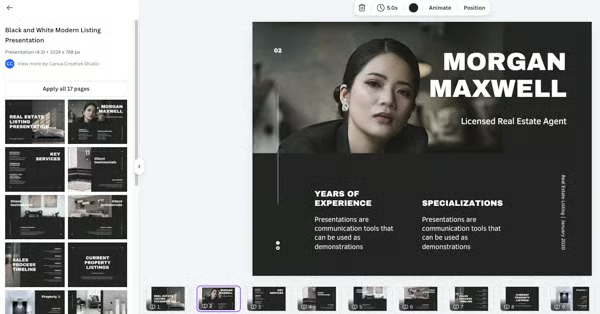
Your buyer presentation doesn’t need to be flashy, but it should be organized and easy to follow. A clean, professional template helps you stay on track and keeps buyers focused on the information that matters.
Many agents use tools like Canva because they offer customizable real estate templates that are easy to brand and update. The key is flexibility; you want a template you can tailor to each buyer, not a one-size-fits-all deck.
Step 2: Leverage buyer intelligence
The most effective buyer presentations start before the meeting ever happens. Use intake forms or pre-consultation questionnaires to learn about your buyer’s motivation, timeline, past experiences, and concerns.
When you meet, reference what they shared. This signals professionalism and makes it clear that the presentation is about them, not you. Buyers are far more likely to engage when they feel understood.
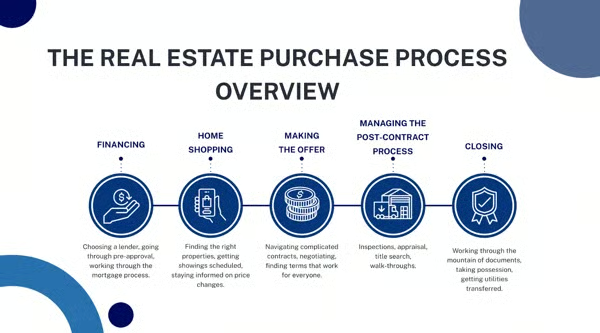
Step 3: Explain the homebuying process
Walk buyers through the major stages of the process, including:
- Financial readiness and credit considerations
- Budgeting and affordability
- Mortgage preapproval
- Home search and showings
- Writing and negotiating offers
- Inspections and appraisals
- Closing and possession
Step 4: Present the market with context
Market data is only useful when buyers understand its implications for them. Share relevant insights, such as price trends, inventory levels, and average days on market, for their target areas.
Frame the information objectively. Your goal isn’t to pressure buyers, but to help them make informed decisions based on current conditions.

Related read: The Best & Worst Times to Buy a House Going Into 2026
Step 5: Show how you’ll find the right home
Rather than going through all the listing features, focus on explaining your search strategy. Talk about how you screen properties, identify red flags, and align homes with the buyer’s lifestyle and priorities.
Use examples to help buyers visualize outcomes. This is where storytelling can be effective; connecting features to real-life scenarios helps buyers imagine themselves in the space.

For example, you could say, “Imagine hosting Thanksgiving and birthday dinner in this spacious living and dining room,” or “Envision relaxing on the weekend in this bright and tranquil garden patio.” These little narratives can help potential buyers visualize themselves living in the space.
📌 Pro Tip
Use high-resolution images, interactive virtual tours, and authentic client testimonials not only to establish credibility but also to evoke emotion.
Related read: How To Get Clients in Real Estate: Our Top 11 Tips
Step 6: Present financing options
While you’re not a lender, buyers expect guidance around the financial side of the transaction. Use this section of the presentation to explain general concepts, such as down payments, closing costs, and ongoing expenses.
📌 Pro Tip
Always reinforce that you work closely with trusted mortgage professionals and will help coordinate communication, but avoid giving specific financial advice.
Step 7: Introduce buyer representation clearly
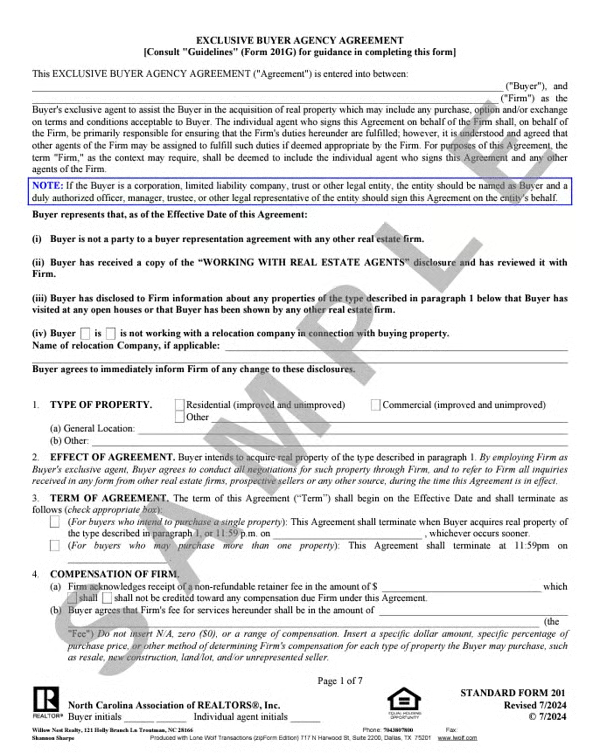
Buyer agency should never be an afterthought. Use your presentation to explain what representation means, how it protects buyers, and what your responsibilities are as their agent.
Walk through a sample buyer representation agreement and highlight key sections such as exclusivity, scope of services, and compensation. Transparency here builds trust and prevents misunderstandings later.
Step 8: End with clear next steps
Close by outlining what happens next, whether that’s scheduling showings, connecting with a lender, or refining search criteria. Set expectations around timing and communication so buyers know exactly what to expect.
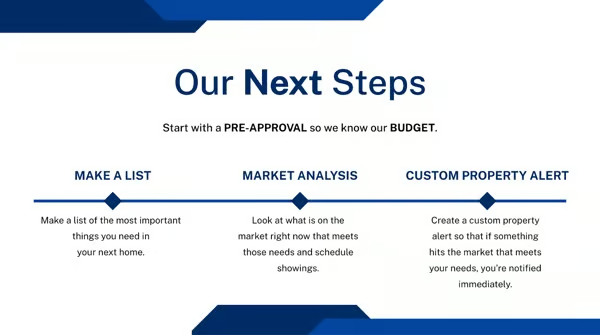
Provide a clear timeline to maintain momentum. Answer any questions and demonstrate your readiness to assist them throughout their homebuying journey. This approach keeps things organized and shows your dedication to helping them find the perfect place.
Tips for delivering a buyer presentation
Now that you know how to create a buyer presentation and have a template ready to go, let’s review the tips for delivering your presentation in a way that builds a foundation for a solid buyer-agent relationship.
- Role-play your presentation with another agent. The more you practice, the easier the presentation will be to deliver, even if you have some nerves.
- Deliver your presentation in person (if possible). Avoid giving your presentation virtually because building rapport is much easier in person. Plus, that firm handshake, warm smile, and confident eye contact will go a long way in convincing your leads that you’re the agent for them.
- Use a large monitor or tablet to give your presentation. If you don’t have a conference room with a large monitor, consider pooling together with other agents in your office to buy a big tablet specifically for presentations — better yet, convince your broker to buy you one!
- Break the ice with small talk (but don’t overdo it!). Starting your presentation with a minute or two of small talk will not only break the ice, but it also has the potential to build rapport more quickly than your entire presentation.
- Tell them how long the presentation will take. We recommend keeping your part to under 15 minutes and leaving plenty of time for questions.
- Ask specific and open-ended questions. So you can gather information for your profile, build trust, and get them excited about their search. You can ask questions to create an actionable buyer profile during your presentation. Choose three to four questions that best fit your situation and help you build the most knowledge:
- How long have you been looking?
- Have you ever worked with a buyer’s agent?
- Why do you want to find a new home, and why now?
- What kind of monthly payment would you be comfortable with?
- How experienced are you with the mortgage process?
- If you had to choose one, would you choose a great location, price, or home?
- Is there a specific school district you want to be in?
- How important is a fast commute to work?
- What is your time frame for finding a home?
- When is the best time and day of the week to reach you, and how do you prefer to communicate?
- Can you paint me a picture of your dream home?
- Don’t ask them to sign an exclusive buyer agreement…yet. Walk them through the agency disclosure agreement and tell them you don’t want them to sign an exclusive agreement until they know you better. Promise to earn their loyalty. When you are ready to ask for the signature, I like a simple, straightforward, “So what do you think? Have I earned your business?”
- Send them a PDF of the presentation. If you really want to wow them, come with buyer agent checklists or write an e-book on the buying process and local market, and send it along with your presentation and packet.
- Remember that knowledge = confidence. Walk into your presentation confidently because you have the information and the skills.
Common buyer presentation mistakes to avoid
Avoiding buyer presentation mistakes keeps the focus where it belongs: on clarity, professionalism, and service. That’s what ultimately sets strong buyer agents apart.
- Making the presentation about you instead of the buyer: Buyers care far more about how you’ll help them succeed than where you went to school or how many years you’ve been licensed. Share your experience, but always tie it back to how it benefits them.
- Overloading buyers with data: Market stats, charts, and trends are useful — but only when they’re relevant. Dumping too much information into one meeting can overwhelm buyers and dilute your message. Focus on what directly affects their decision-making.
- Avoiding the buyer agency conversation: Skipping or downplaying buyer representation creates confusion and often leads to issues later. A clear, confident explanation of buyer agency early on protects both you and the client.
- Treating the presentation like a sales pitch: Buyers are quick to tune out anything that feels scripted or pushy. Your presentation should feel like a working meeting, not a performance. Encourage questions and adapt as the conversation unfolds.
- Failing to set expectations around communication and timelines: When buyers don’t know what happens next or how often they’ll hear from you, frustration builds quickly. Use the presentation to outline communication norms and next steps.
Bringing it all together
A well-executed buyer presentation is one of the most effective ways to convert serious prospects into committed clients. It shows leadership, builds confidence, and sets the tone for the entire relationship.
When buyers understand the process and clearly see your value, committing to work with you becomes an easy decision.